
Description
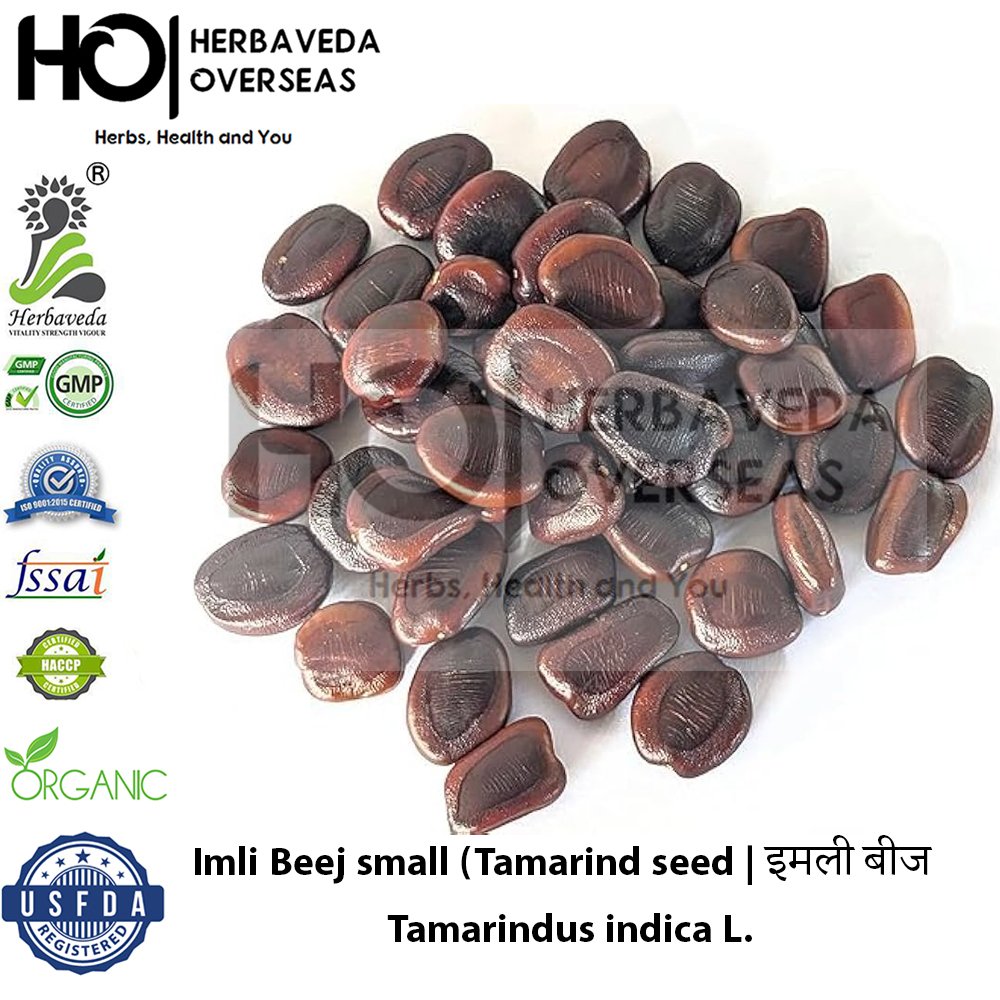
Tamarindus indica, the tamarind tree, is a large, long-lived evergreen tree of the family Fabaceae, believed to be native to tropical Africa — possibly Sudan or Madagascar — from where it was introduced to India millennia ago and is now extensively cultivated across the subcontinent, particularly in Tamil Nadu, Andhra Pradesh, Karnataka, and Maharashtra. India is the world’s largest producer of tamarind. The curved, brown pods contain an acidic, date-brown pulp surrounding hard seeds, and are a staple souring agent in South Indian, Southeast Asian, and Mexican cuisines. In Ayurveda, the fruit is known as Amlika and is documented in the Charaka Samhita as a cooling, digestive, and laxative herb used in compound preparations.