
Description
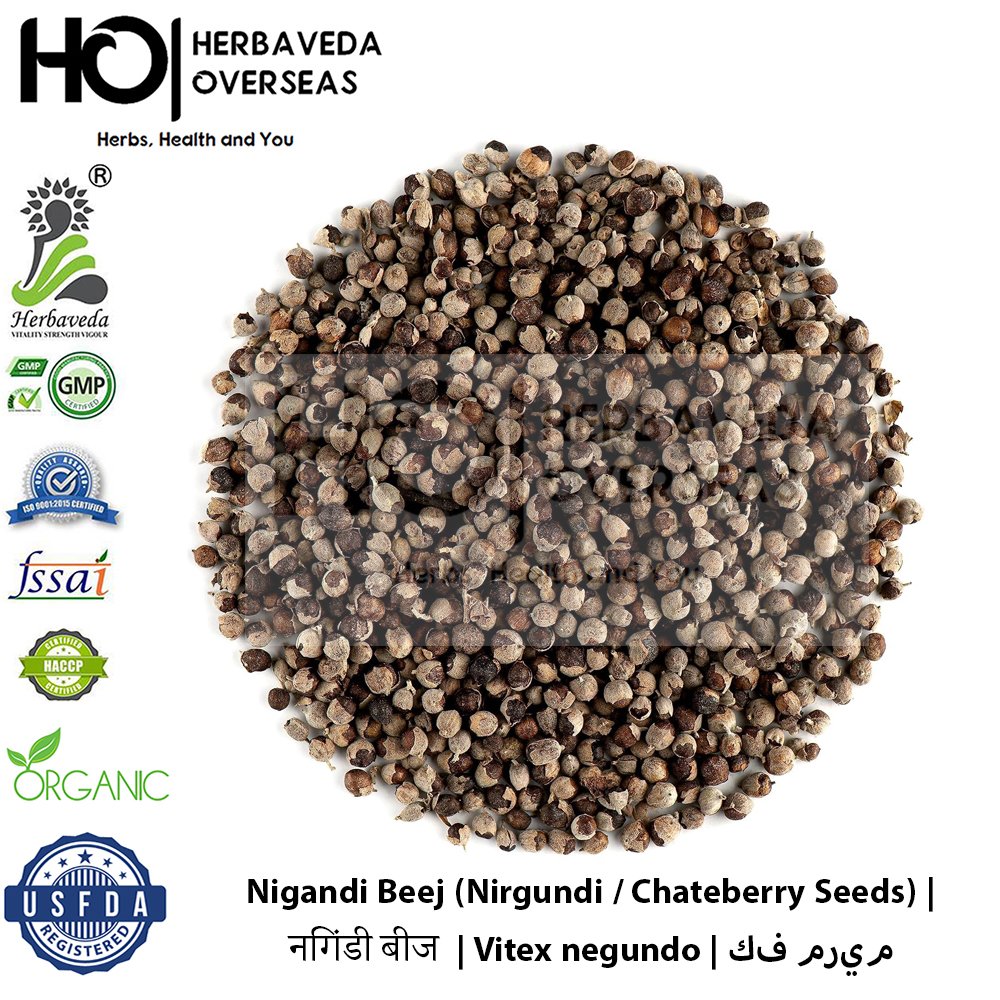
Vitex agnus-castus, the chaste tree or monk’s pepper, is a large aromatic deciduous shrub of the family Lamiaceae, native to the Mediterranean basin and western and Central Asia, cultivated in India in gardens and as an ornamental. The berries contain diterpene compounds including rotundifuran and clerodadienols, and iridoid glycosides including aucubin. In European herbal tradition — documented by Hippocrates, Dioscorides and Pliny — the berries were associated with monastic life, hence the name ‘chaste tree’.). Modern phytomedicine has refocused research on the plant’s effects on female hormonal regulation, with the European Medicines Agency (EMA) issuing a positive assessment for premenstrual syndrome. In classical Unani pharmacopoeia, the berries are incorporated in formulations for reproductive and nervous system conditions. Limited commercial cultivation occurs in Himachal Pradesh.