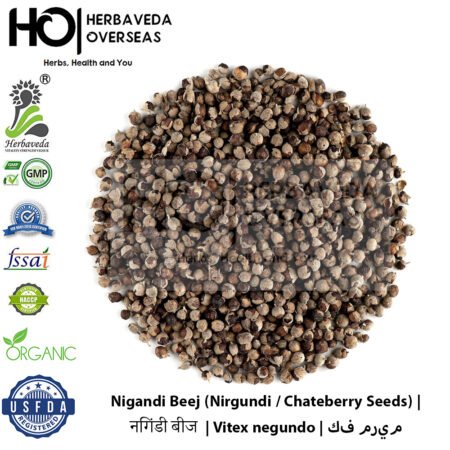
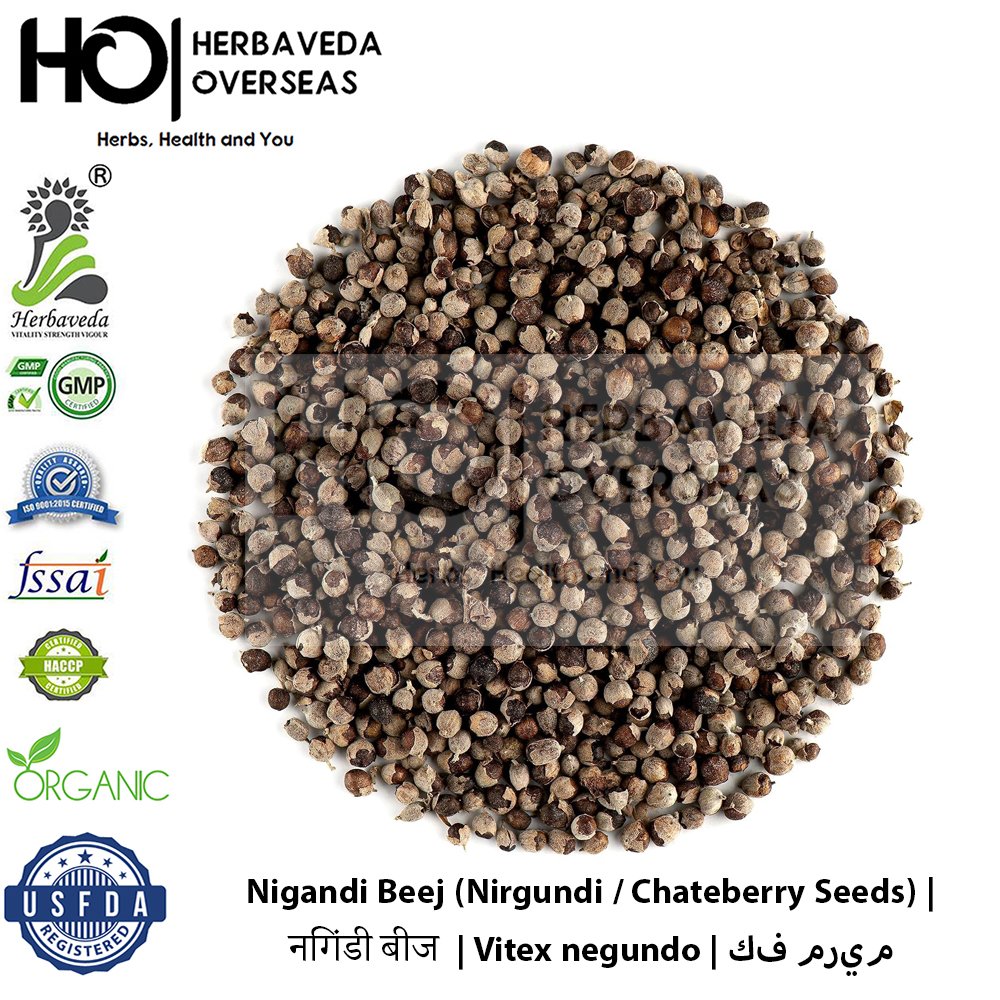
Samalu Beej | Nirgundi seeds | Chasteberry | Vitex negundo seeds

1000 in stock

Price range: ₹200.00 through ₹263.00 inc GST

Vitex negundo is a large aromatic shrub or small tree widely distributed across the tropical and subtropical regions of the Indian subcontinent and Southeast Asia. Its seeds are documented in Ayurvedic texts as a component of anti-inflammatory and anti-arthritis preparations, separate from the more commonly traded leaves and root.

Buy It Now
  • Free Shipping & Exchanges
  • Flexible and secure payment, pay on delivery
  • 600,000 happy customers
Guarantee Safe & Secure Checkout
SKU: hbv2_10494_parent Category:

Quick facts: Samalu Beej

Common name
Samalu Beej
Botanical name
Nirgundi seeds
Type
Raw roots
Pack sizes
0.5 kg, 1 kg (from ₹200)
Packed by
Herbaveda Overseas, Khari Baoli, Delhi (since 1971)
Storage
Airtight container, cool and dry place, away from sunlight
Bulk / export
Available – ask for a wholesale quote

What is the botanical name of Samalu Beej?

The botanical name of Samalu Beej is Nirgundi seeds.

Can I buy Samalu Beej in bulk?

Yes. Retail packs are sold here; for bulk quantities, contact us for wholesale and export prices.

For traditional and culinary use. Not intended to diagnose, treat, cure or prevent any disease. Consult a doctor before use, especially if you are pregnant, nursing or taking medicines.

Description

Vitex negundo, the five-leaved chaste tree, is a large aromatic shrub or small tree of the family Lamiaceae, widely distributed across the tropical and subtropical regions of South and Southeast Asia, extending from Pakistan through India to China and the Philippines. One of the most extensively utilised plants in Ayurvedic clinical practice, virtually every part of the plant — leaves, roots, bark, flowers, and seeds — carries documented classical pharmacological significance. The seeds, traded separately as Nigandi Beej, are documented in Ayurvedic texts for anti-inflammatory, analgesic, and anti-arthritic preparations. The broader plant, Nirgundi, is cited in the Charaka Samhita and Sushruta Samhita as one of the premier Vata-alleviating herbs. The leaves are more commonly traded than the seeds, but seed preparations are referenced in regional Ayurvedic texts for specific formulations addressing joint and headache conditions.
Additional information

WeightN/A
DimensionsN/A