
Description
What is it?
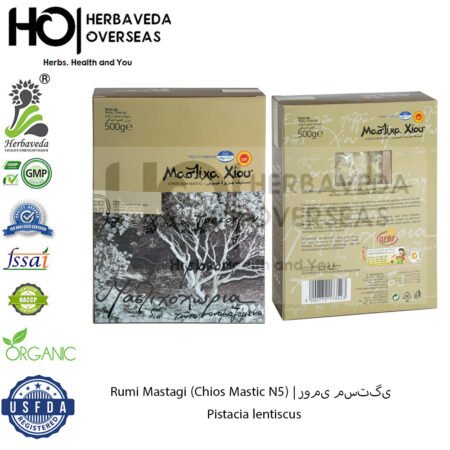
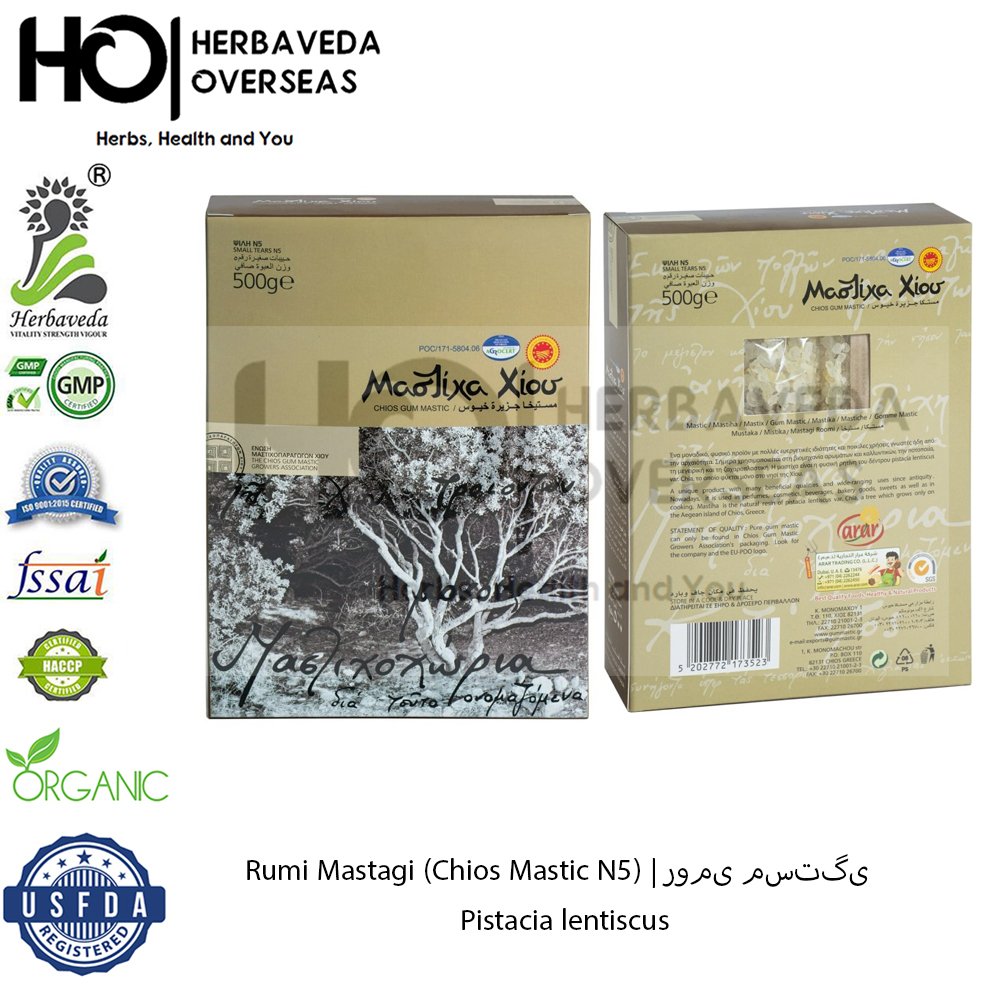
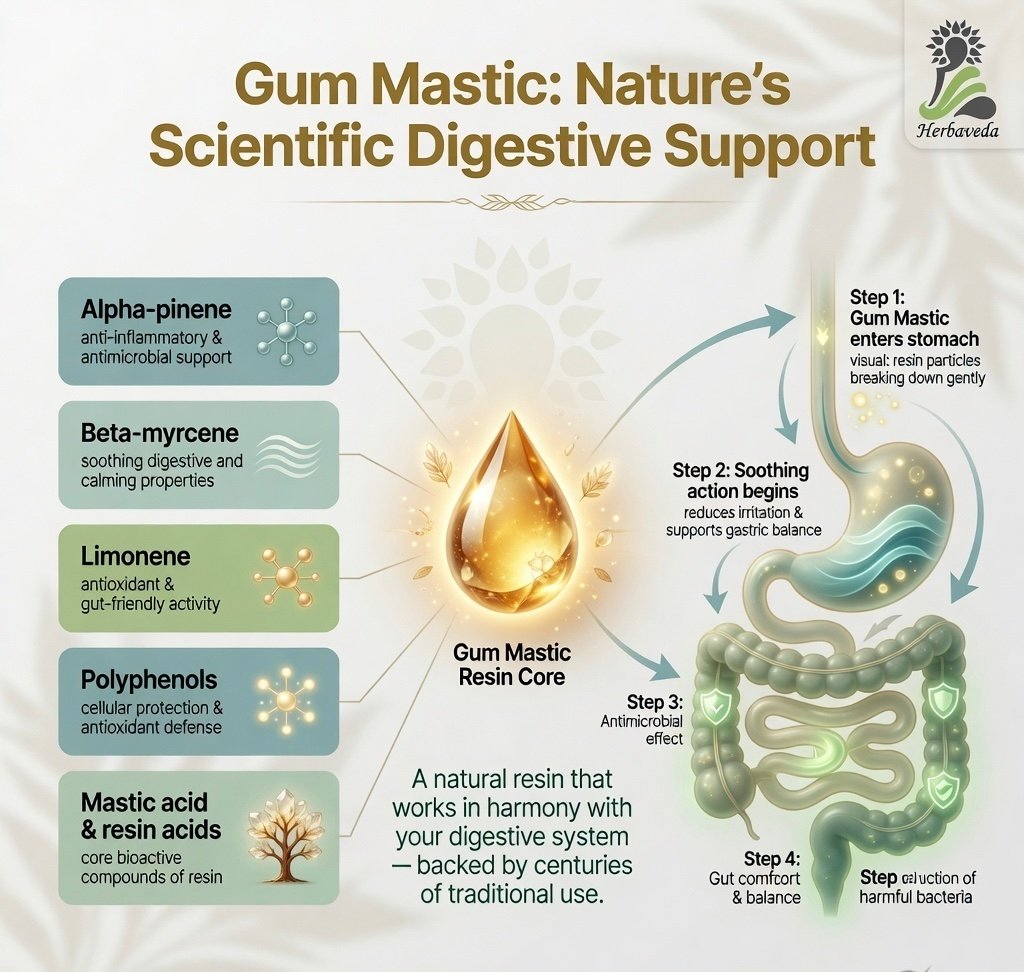
Rumi Mastagi is mastic – a natural resin that drips from the bark of the mastic tree on the Greek island of Chios and hardens into small, clear, pale-yellow “tears”. When chewed, it softens into a natural gum with a fresh, pine-like taste. The word “Rumi” is the old Unani name for goods from the Mediterranean, and marks the best grade.
Also known as
Mastagi Rumi, Chios mastic, gum mastic, Mastaki (Arabic), رومی مستگی (Urdu), Pistacia lentiscus
How it is used
- Unani preparations: a common ingredient in traditional dawakhana formulations.
- Natural chewing gum: one or two tears are chewed to freshen the breath.
- Sweets and baking: a little ground mastic flavours ice cream, kheer, puddings and breads.
How to use
To use in sweets, freeze the tears for a few minutes, then grind them with a pinch of sugar into a fine powder. A small pinch is enough for a whole dish. For chewing, use 1–2 tears.
How to judge good quality
- Clear, pale-yellow, tear-shaped drops (N5 grade = small to medium tears).
- Turns soft and chewy, then white, when chewed.
- Fresh, pine-like smell; free from dust, bark and dark, sticky pieces.
Storage
Keep in an airtight container in a cool, dry place away from sunlight and moisture. Keep away from heat, as the tears can soften and stick together.
Frequently asked questions
Is Rumi Mastagi the same as gum mastic?
Yes. It is the Unani name for the best grade of Chios mastic.
Is mastic the same as gond?
No. Most Indian gond (like kikar gond) are water-soluble gums. Mastic is a resin that softens when chewed but does not dissolve in water.
Do you deliver across India?
Yes. Orders ship from Delhi to all states, usually within 1–3 working days. For bulk quantities, use our Request a Quote form.
Herbaveda, Delhi – trusted since 1971.
Sold as a raw herb for traditional and trade use. This information is educational and is not a substitute for medical advice.