
Description
What is it?
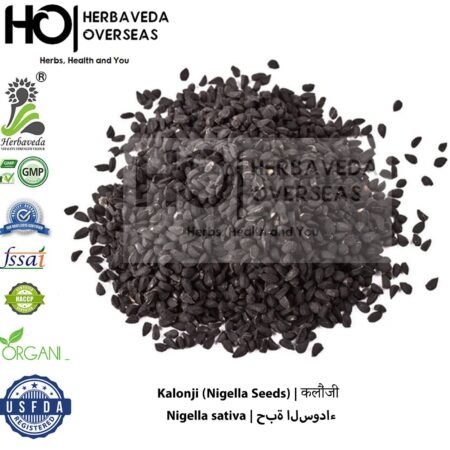
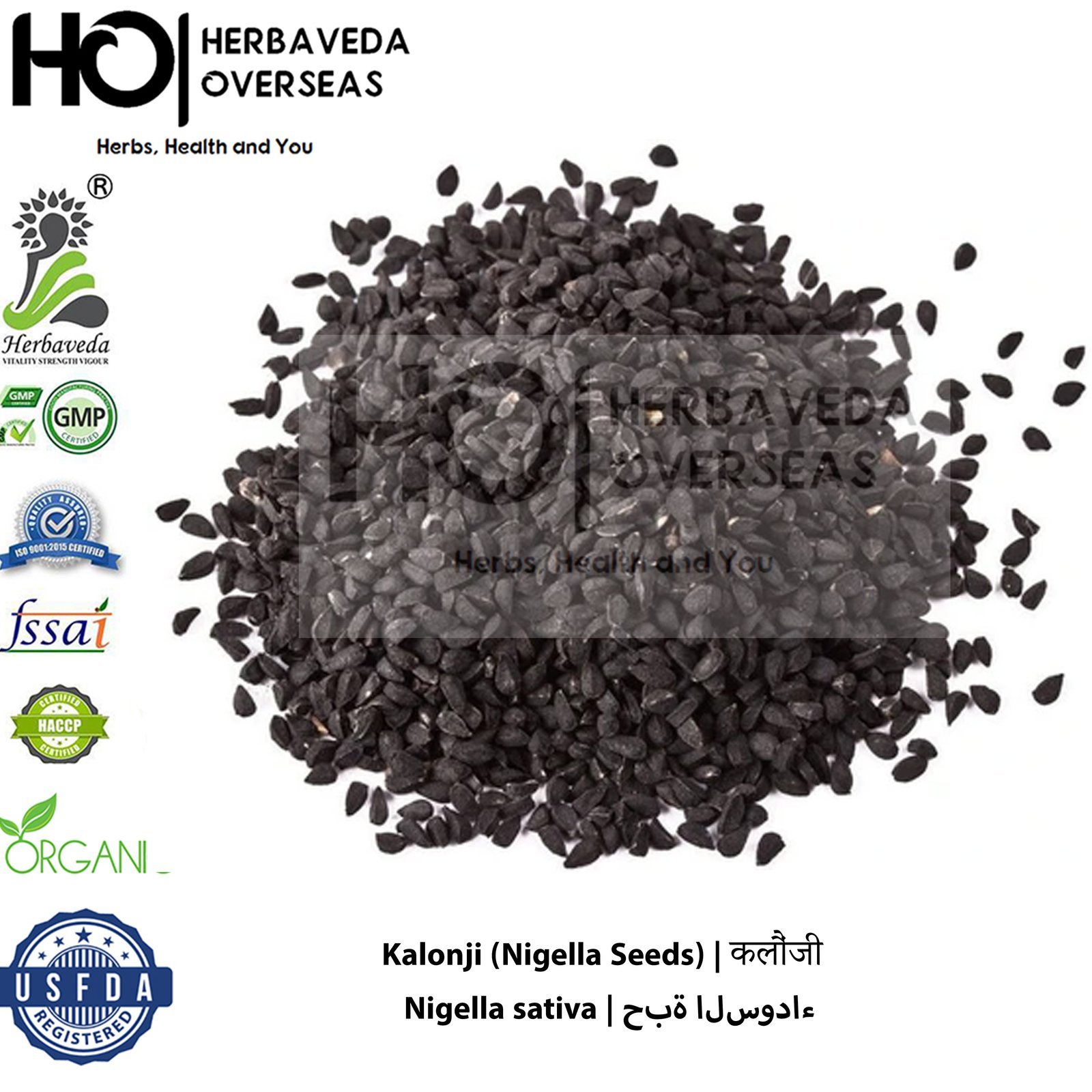
Kalonji are tiny black seeds with a sharp, slightly bitter, oniony flavour. Indian kitchens use them in pickles, naan and Bengali panch phoran. In Islamic and Unani tradition they are known as Habbat-ul-Sauda, the “black seed”, and are held in special regard.
Also known as
Mangrail (Hindi), Habbat-ul-Sauda (Arabic), Shuniz (Unani), Upakunchika (Sanskrit), کلونجی (Urdu), black seed, nigella, onion seed
How it is used
- Pickles: a key spice in mango and lime achaar.
- Breads: sprinkled on naan, kulcha and mathri.
- Tadka: part of panch phoran in Bengali cooking.
- Home use: taken with honey in traditional practice.
How to use
Add a pinch to hot oil for tadka, or sprinkle on dough before baking. In traditional use, a small pinch is taken with a spoon of honey.
How to judge good quality
- Small, matt-black, three-sided seeds.
- A sharp, slightly peppery and oniony smell when crushed.
- Clean, with no dust, stones or grey, dull seeds.
Storage
Keep in an airtight container in a cool, dry place away from sunlight and moisture.
Frequently asked questions
Is kalonji the same as kala jeera?
No. They are different seeds with different tastes.
Who should be careful with kalonji?
Pregnant women and people on blood-thinning or blood-sugar medicines should not take large amounts and should ask a doctor.
Do you deliver across India?
Yes. Orders ship from Delhi to all states, usually within 1–3 working days. For bulk quantities, use our Request a Quote form.
Herbaveda, Delhi – trusted since 1971.
Sold as a raw herb for traditional and trade use. This information is educational and is not a substitute for medical advice.