
Description
What is it?
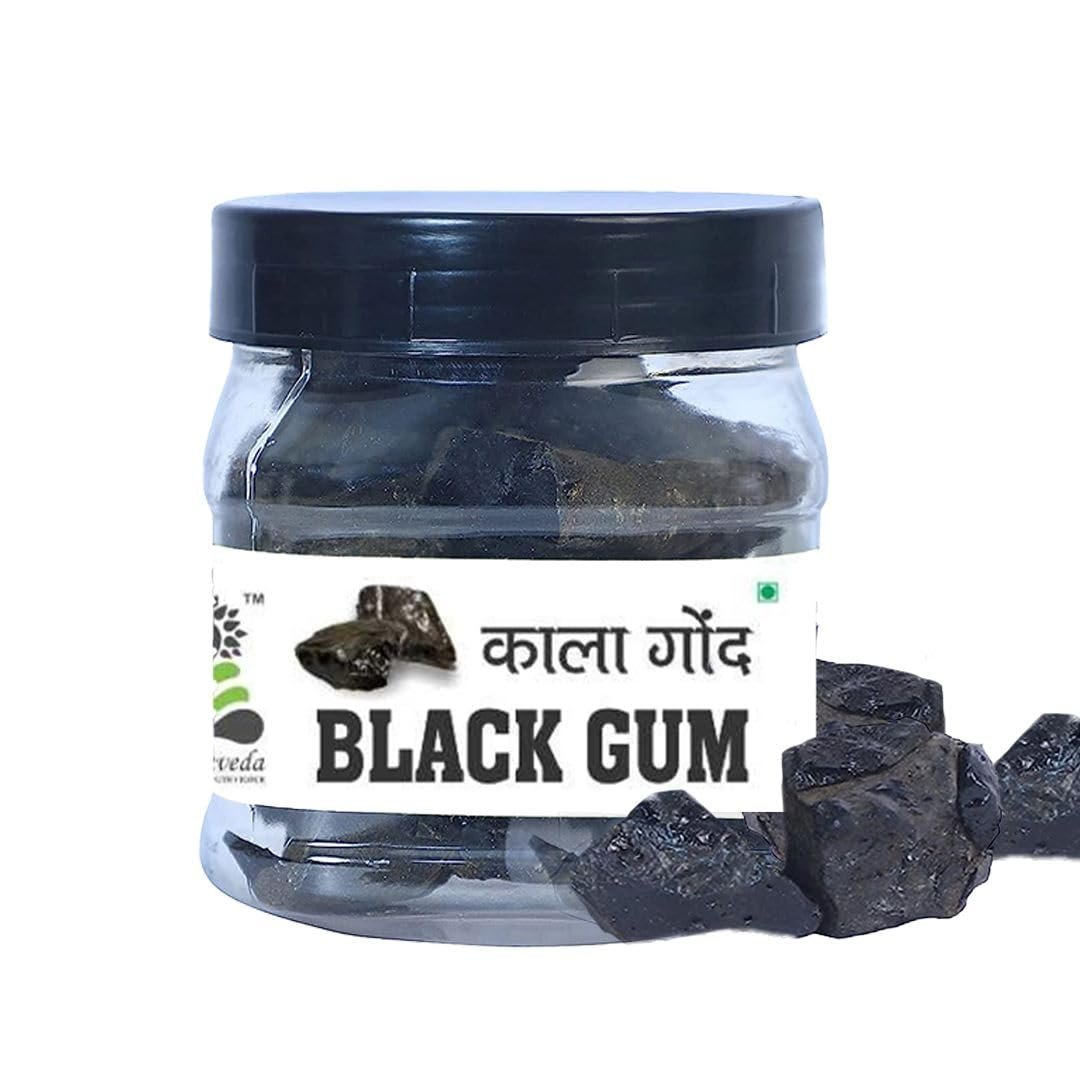
Kala Gond is a dark, aromatic gum-resin. It is collected after small cuts are made in the bark of Commiphora trees of the dry north-west of India; the sap seeps out and slowly hardens in the sun. The tree, Commiphora wightii, is the same one that gives guggul. In the trade, the darker, older and stickier lumps are sold as kala gond.
Quick facts
- Botanical name: Commiphora wightii (Arn.) Bhandari
- Family: Burseraceae
- Part supplied: dried gum-resin lumps
- Hindi: काला गोंद
- Urdu: کالا گوند
- Other names: black resin, black gum, related to guggul (Guggulu in Sanskrit)
Traditional uses
- Described in Ayurvedic texts as a resin used in compound preparations for the joints and the chest.
- Traditionally dissolved in warm milk or mixed into herbal formulas by vaidyas.
- Burnt as dhoop and added to incense for its warm, smoky smell.
Who buys it from us
- Ayurvedic and Unani manufacturers
- Incense and dhoop makers
- Pansari shops and herb retailers
Quality and packing
- Dark brown to nearly black lumps, sticky or glassy, with a balsam-like smell when warmed.
- Free from bark, sand and stones; softens when held in a warm hand.
- Packed in bulk bags to the buyer’s requirement and shipped across India from Delhi.
Herbaveda Overseas has traded raw herbs from Khari Baoli, Delhi, since 1971. Use our Request a Quote form for the latest bulk price, a sample or a custom pack size.
Frequently asked questions
Is kala gond the same as guggul?
They come from the same tree. Kala gond is the trade name for the darker, stickier lumps of this resin.
Is it the same as kikar gond used in laddoo?
No. Kikar gond is a pale edible gum from the acacia tree. Kala gond is a dark, aromatic resin.
Do you supply kala gond in bulk?
Yes, across India. Send an enquiry with your quantity.
Sold as a raw herb for traditional and trade use. This information is educational and is not a substitute for medical advice.