
Description
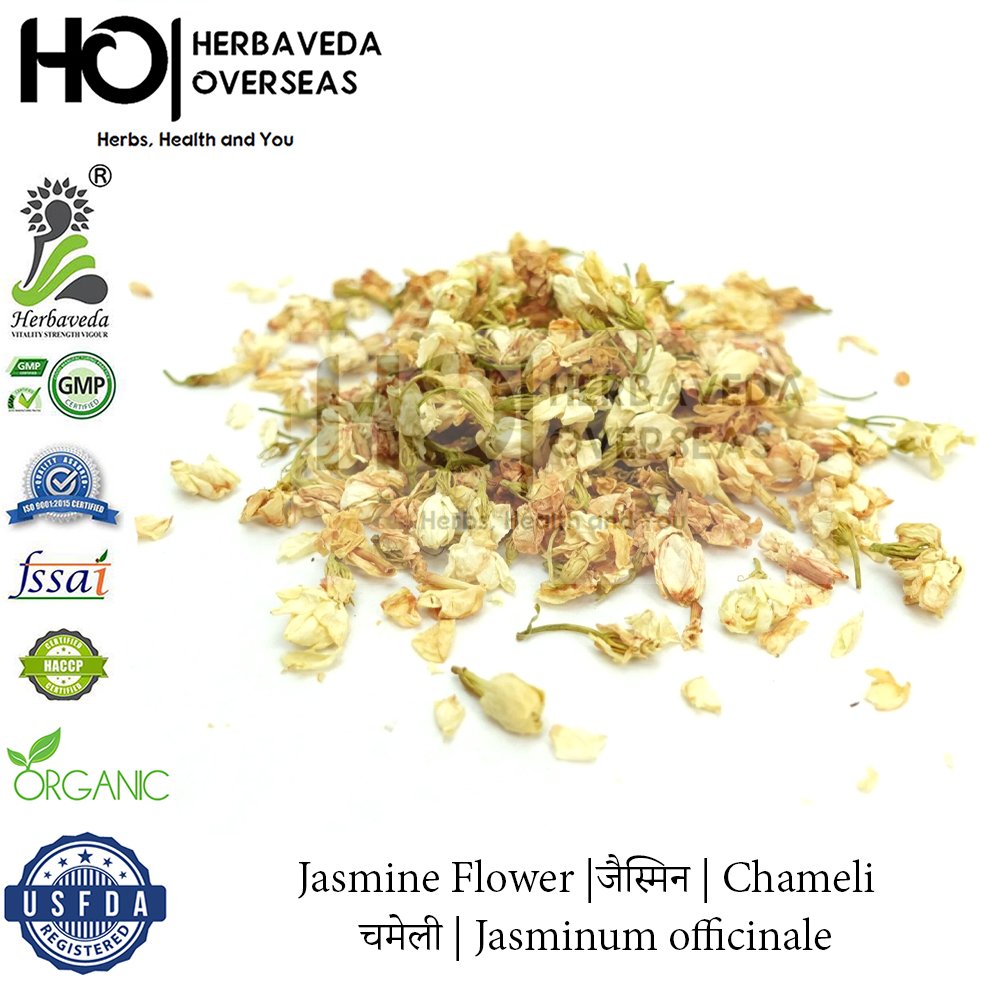
Jasminum officinale, commonly known as common jasmine or Chameli, holds widespread therapeutic, industrial, and cultural significance due to its complex chemical profile and intense floral aroma.
Key Uses & Applications
Aromatherapy & Perfumery: The flowers yield a highly prized essential oil, serving as a top-grade middle/base note in luxury perfumes, incense, and cosmetic formulations.
Herbal Teas & Infusions: Dried blooms are blended with green or white tea leaves, creating fragrant infusions celebrated in traditional remedies.
Topical Formulations: Jasmine extract is widely infused into carrier oils, skin serums, creams, and hair tonics to condition skin and nourish hair follicles.
Health & Wellness Benefits
Stress & Anxiety Relief: Inhaled jasmine aromatics interact with the central nervous system to stimulate neurotransmitters like GABA, promoting relaxation, easing nervous tension, and improving sleep quality.
Skin & Cellular Health: Rich in antioxidants and polyphenols, jasmine oil helps protect the skin against free radical damage, supports tissue regeneration, and calms minor skin irritations.
Traditional Therapeutic Properties: In classical Ayurvedic and folk medicine, Chameli leaves and blooms are utilized for their mild analgesic, antimicrobial, and antispasmodic qualities, helping soothe minor muscle spasms, mouth sores, and headache discomfort.