
Description
What is it?
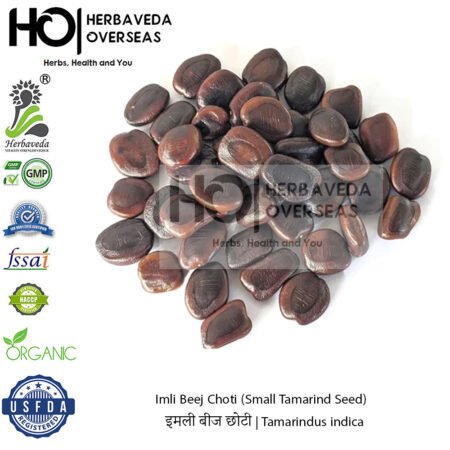
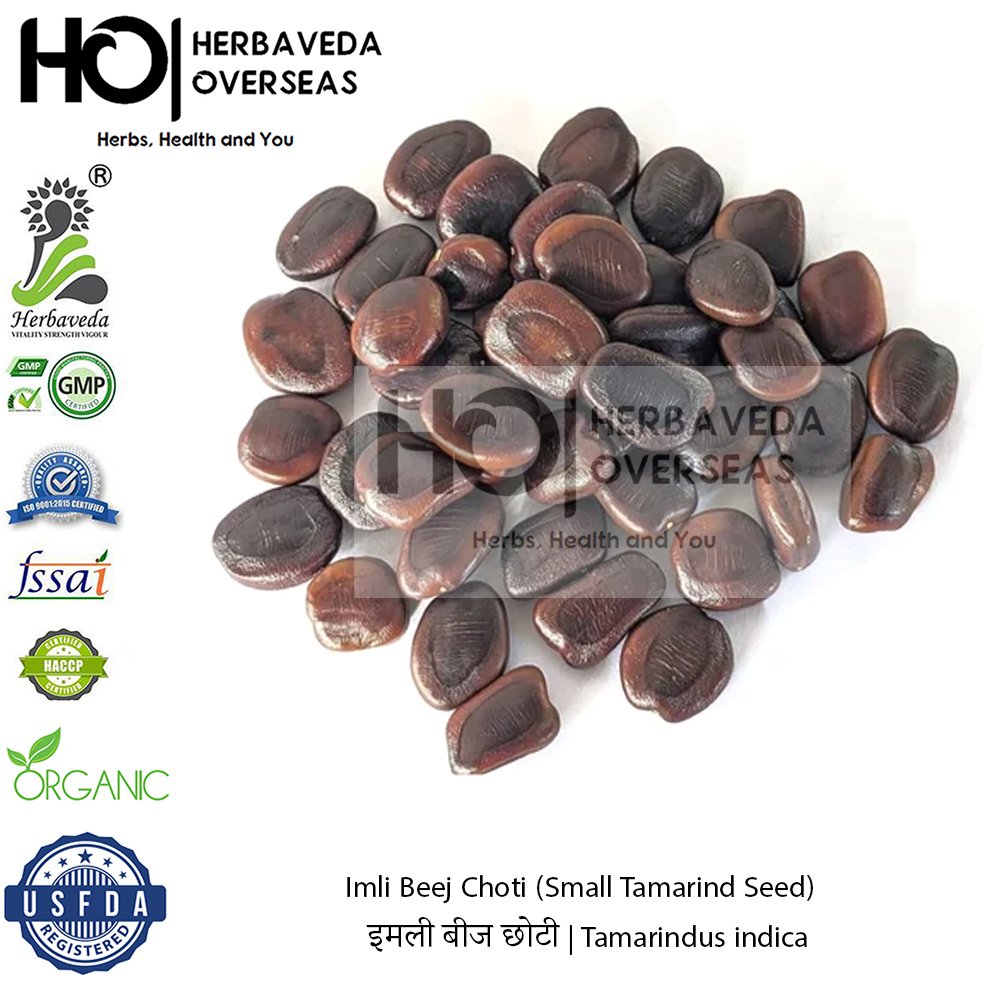
Imli Beej are the hard, dark-brown seeds from inside tamarind pods. Most people throw them away, but in Indian households and in Ayurveda they have long been roasted, peeled and powdered. This pack is the small grade. Smaller seeds are good value for grinding.
Also known as
Imli ke beej, Chincha beeja (Sanskrit), Tukhm-e-Tamar Hindi (Unani), Puli kottai (Tamil), املی کے بیج (Urdu), tamarind seed
How it is used
- Traditional tonics: the roasted kernel powder is used in Ayurvedic and Unani recipes, including those for the joints.
- External paste: the powder is mixed with water for traditional external use.
- Snack: roasted seeds are eaten in some South Indian villages.
How to use
Dry-roast the seeds on a low flame until they crack, soak them overnight, peel off the skin and dry the white kernels. Grind them into a fine powder. Ask an Ayurvedic or Unani practitioner for the right amount for you, especially if you are pregnant, breastfeeding or on regular medication.
How to judge good quality
- Hard, glossy, dark-brown seeds of even small size.
- Clean and dry, free from pulp, dust and insect holes.
Storage
Keep in an airtight container in a cool, dry place, away from sunlight and moisture.
Frequently asked questions
Can I eat tamarind seeds raw?
No. The seeds are very hard and are always roasted and peeled before use.
Badi or choti – which should I buy?
Both are the same seed. Badi seeds are larger and easier to peel; choti seeds are smaller.
Do you deliver across India?
Yes. Orders ship from Delhi to all states, usually within 1–3 working days. For bulk quantities, use our Request a Quote form.
Herbaveda, Delhi – trusted since 1971.
Sold as a raw herb for traditional and trade use. This information is educational and is not a substitute for medical advice.