
Description
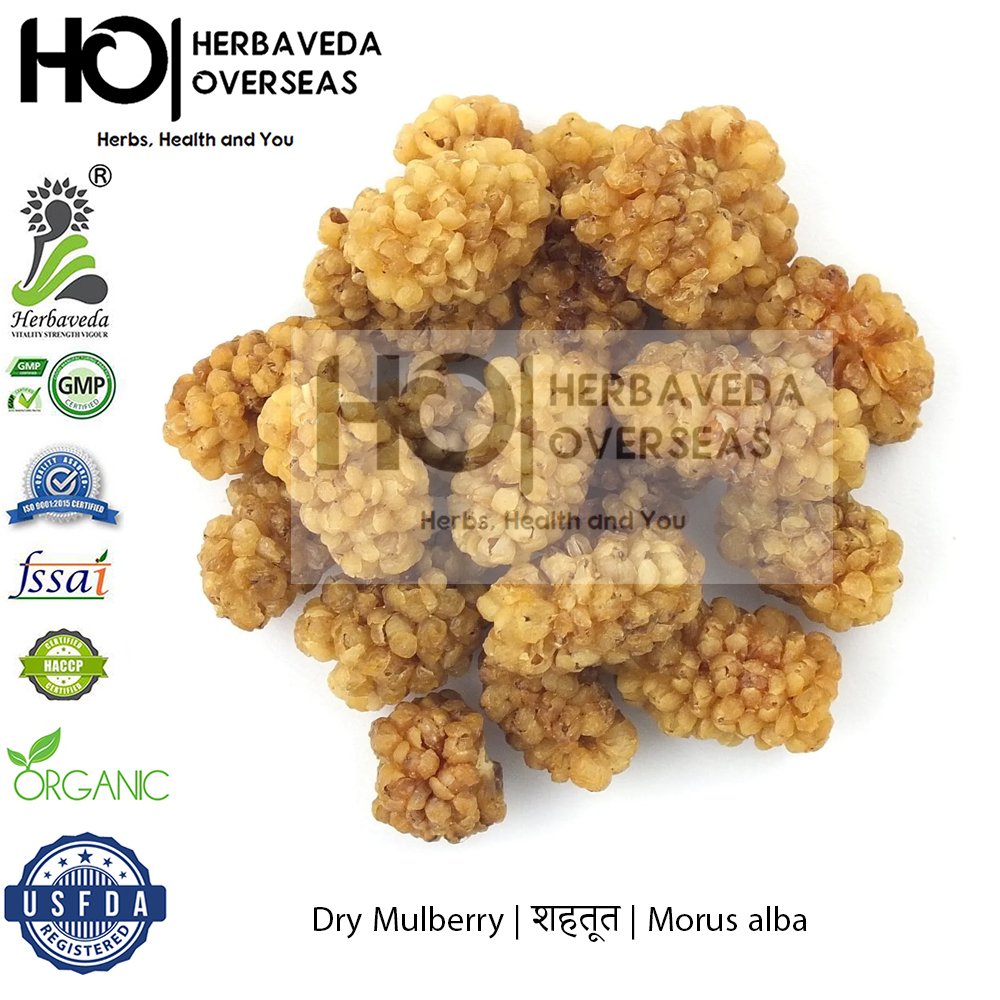
Originating primarily from East Asia, particularly China, the Mulberry tree is renowned both for its succulent fruit and its historical role in the silk industry. Beyond its industrial utility, various parts of the tree offer significant pharmacological benefits. The leaves contain an active compound called 1-deoxynojirimycin (DNJ), which inhibits the enzymes responsible for breaking down carbohydrates, thereby helping to reduce post-meal blood glucose spikes—a feature highly valued in diabetic care. The berries are packed with anthocyanins and vitamins C and K, which combat oxidative stress, support immune function, and promote skin elasticity. Additionally, mulberry extracts are often utilized to improve lipid profiles by reducing LDL cholesterol levels, contributing to overall cardiovascular wellness. Traditional medicine has also employed mulberry bark and roots to treat inflammatory conditions and respiratory ailments. By integrating mulberry into a balanced lifestyle, individuals can leverage its natural anti-inflammatory and hypoglycemic properties to promote long-term metabolic health and systemic vitality without the need for synthetic additives.