
Description
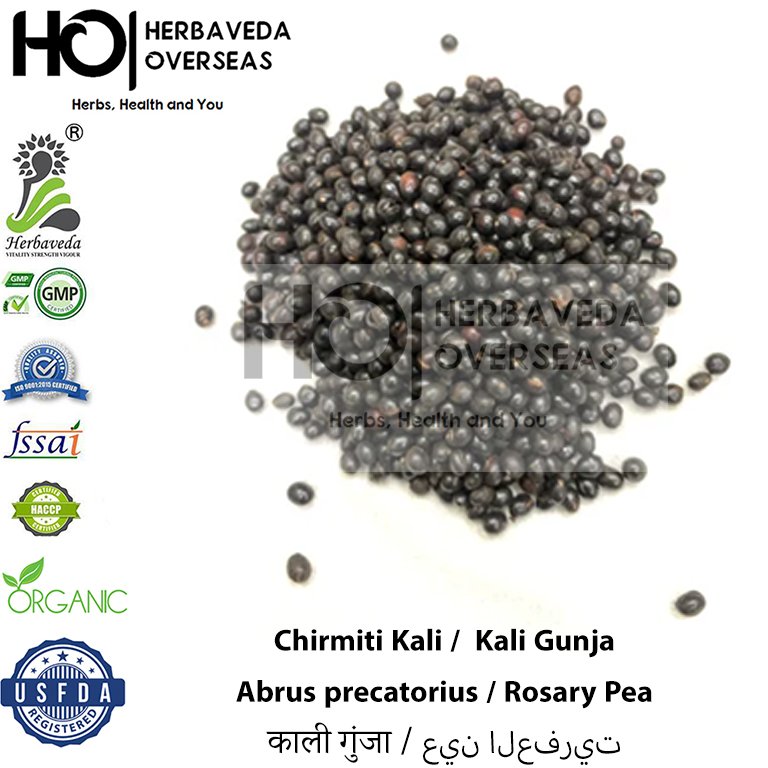
Originating from the tropical regions of Asia and Africa, Abrus precatorius is a leguminous plant characterized by its climbing habit and distinctive seeds. These seeds contain abrin, a potent toxalbumin, making the raw plant extremely dangerous if ingested. However, in traditional Ayurvedic practices, the herb is subjected to specific purification methods known as Shodhana to neutralize toxicity before therapeutic application. Once processed, it is utilized to manage various ailments, including chronic skin infections, joint pain, and edema. Its anti-inflammatory and analgesic properties make it a choice for treating swelling and certain types of paralysis in traditional systems. Beyond medicine, the hard, colorful seeds have historically been used as precise weighing scales for gold and in the creation of ornamental beads. Due to its high toxicity, it should never be used without expert professional guidance. Modern research focuses on the biological activity of its components, though safety remains the primary concern. The plant serves as a prime example of the fine line between a potent poison and a healing agent when handled with pharmacological precision.