
Description
What is it?
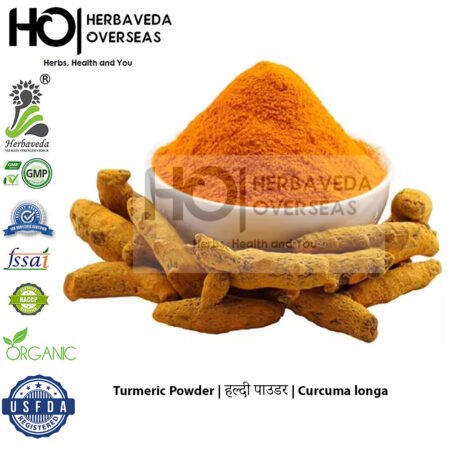
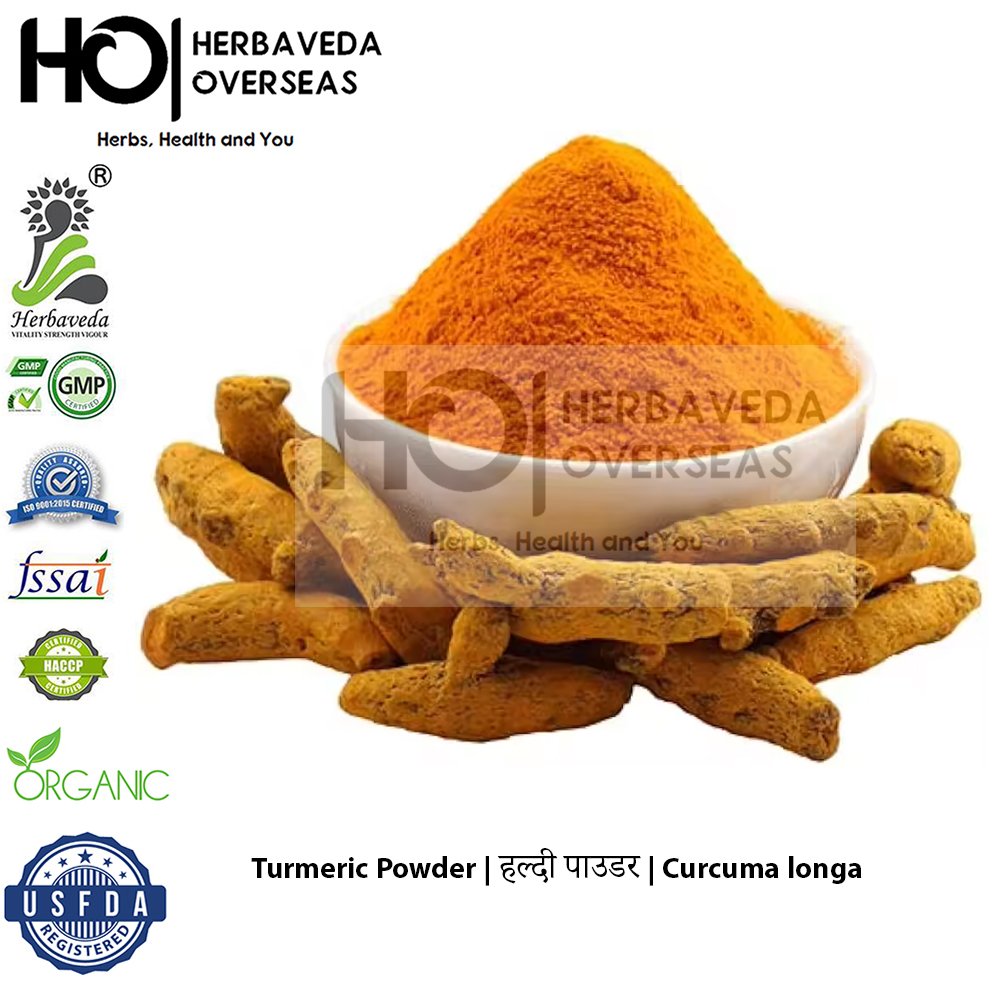
Turmeric powder, or haldi, needs little introduction – it is in almost every Indian dish. It is made by boiling, drying and grinding the turmeric rhizome. Besides cooking, it is used in haldi doodh, wedding ubtan and countless home remedies.
Also known as
Haldi, Haridra (Sanskrit), Zard Chob (Unani), ہلدی (Urdu), turmeric, Curcuma longa
How it is used
- Cooking: in dals, sabzis, curries and pickles.
- Haldi doodh: half a teaspoon in warm milk, a classic home drink.
- Ubtan and face packs: mixed with besan, curd or chandan.
- Ayurveda: described as Haridra, traditionally used for the skin.
How to use
Use as needed in cooking. For haldi doodh, stir half a teaspoon into a glass of warm milk, with a pinch of black pepper if you like. For skin, mix a little with besan and water.
How to judge good quality
- Bright yellow to deep orange-yellow colour.
- Warm, earthy smell and a slightly bitter taste.
- Natural colour only; added colour leaves an unnatural stain on water.
Storage
Keep the powder in an airtight jar in a cool, dry place. Always use a dry spoon. Powders lose aroma faster than whole herbs, so use within a few months of opening.
Frequently asked questions
How do I check if turmeric is pure?
Stir a pinch into a glass of warm water. Pure haldi settles slowly and leaves the water light yellow; strong colour that stays bright may mean added dye.
Will it stain?
Yes. Turmeric stains cloth and nails, so use with care.
Do you deliver across India?
Yes. Orders ship from Delhi to all states, usually within 1–3 working days. For bulk quantities, use our Request a Quote form.
Herbaveda, Delhi – trusted since 1971.
Sold as a raw herb for traditional and trade use. This information is educational and is not a substitute for medical advice.