
Description
What is it?
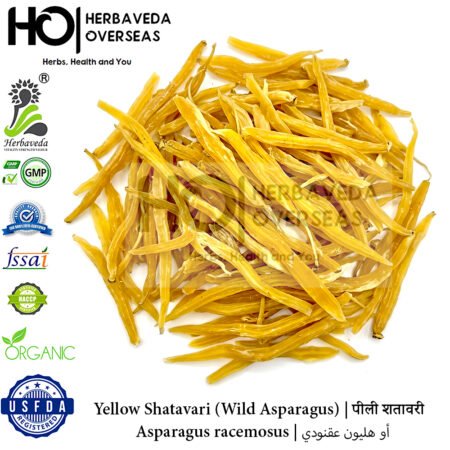
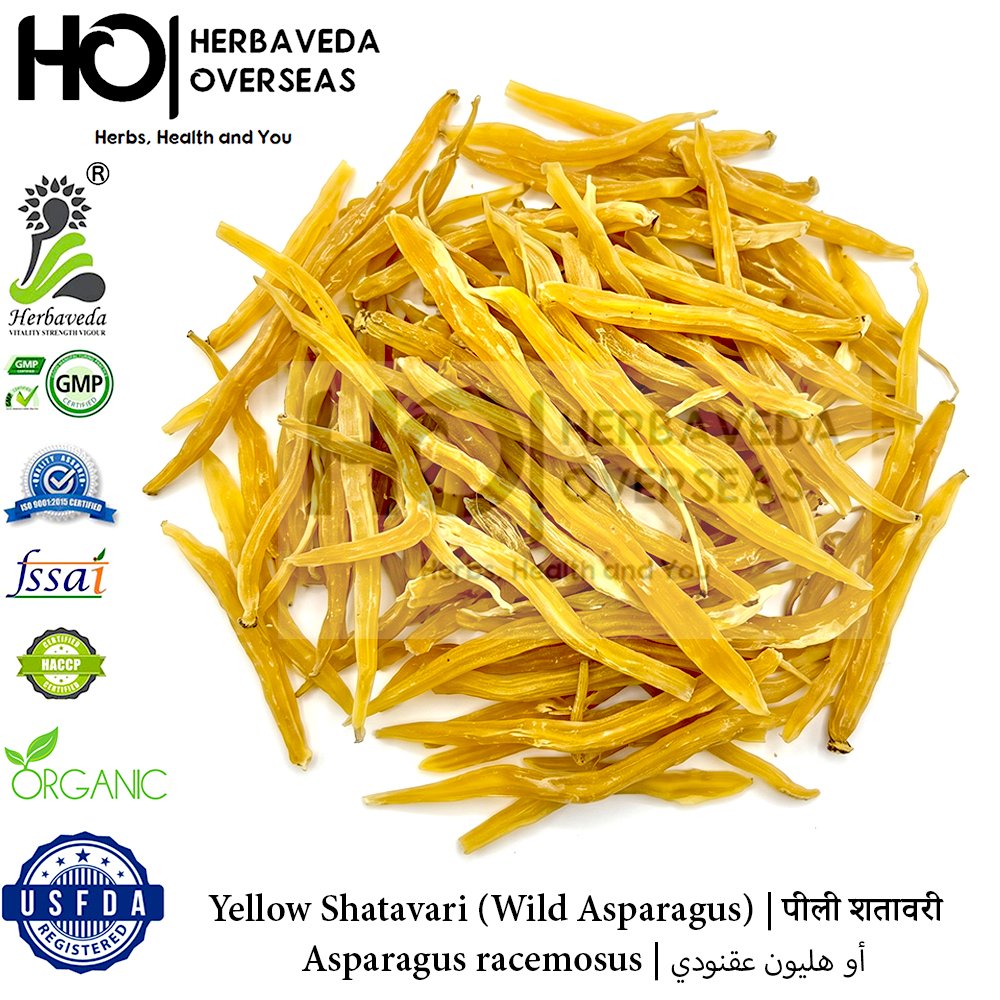
Shatavari is the dried root of a climbing wild asparagus that grows across India. One plant forms a cluster of many long roots, which is where the name “hundred roots” comes from. In Ayurveda it is a well-loved Rasayana herb, and it is especially known as a traditional herb for women.
Also known as
Satavar, Peeli Shatavari (Hindi), Shatamuli (Sanskrit), wild asparagus, شتاوری (Urdu), Asparagus racemosus
How it is used
- Women’s tonics: used in traditional Ayurvedic preparations for women, including after childbirth.
- Milk tonic: the powder is boiled in milk, often with a little ghee and sugar.
- Churna: blended with other herbs in classical powders.
How to use
Grind the dried root into a fine powder. Traditionally about half a teaspoon is boiled in a cup of milk. Ask a qualified Ayurvedic or Unani practitioner how much to use and how to prepare it.
How to judge good quality
- Long, slender root pieces, creamy-yellow to light brown.
- Firm and dry, with a sweet, slightly bitter taste and no mould, soil or insect holes.
Storage
Keep in an airtight container in a cool, dry place away from sunlight and moisture. Grind only what you need, as powder loses freshness faster.
Frequently asked questions
Is shatavari only for women?
It is best known as a women’s herb, but in Ayurveda it is also used as a general nourishing tonic.
Who should check with a doctor first?
Pregnant or breastfeeding women, children and anyone on regular medication should check with a doctor or Ayurvedic practitioner first.
Do you deliver across India?
Yes. Orders ship from Delhi to all states, usually within 1–3 working days. For bulk quantities, use our Request a Quote form.
Herbaveda, Delhi – trusted since 1971.
Sold as a raw herb for traditional and trade use. This information is educational and is not a substitute for medical advice.