
Description
What is it?
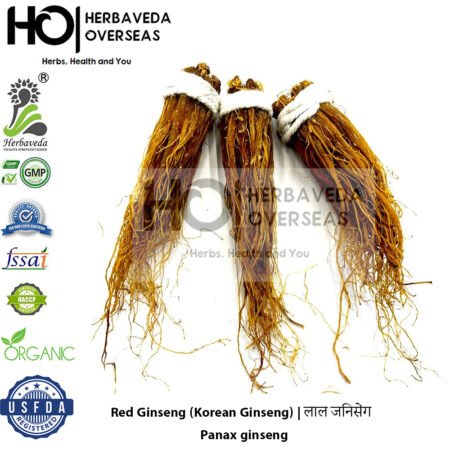
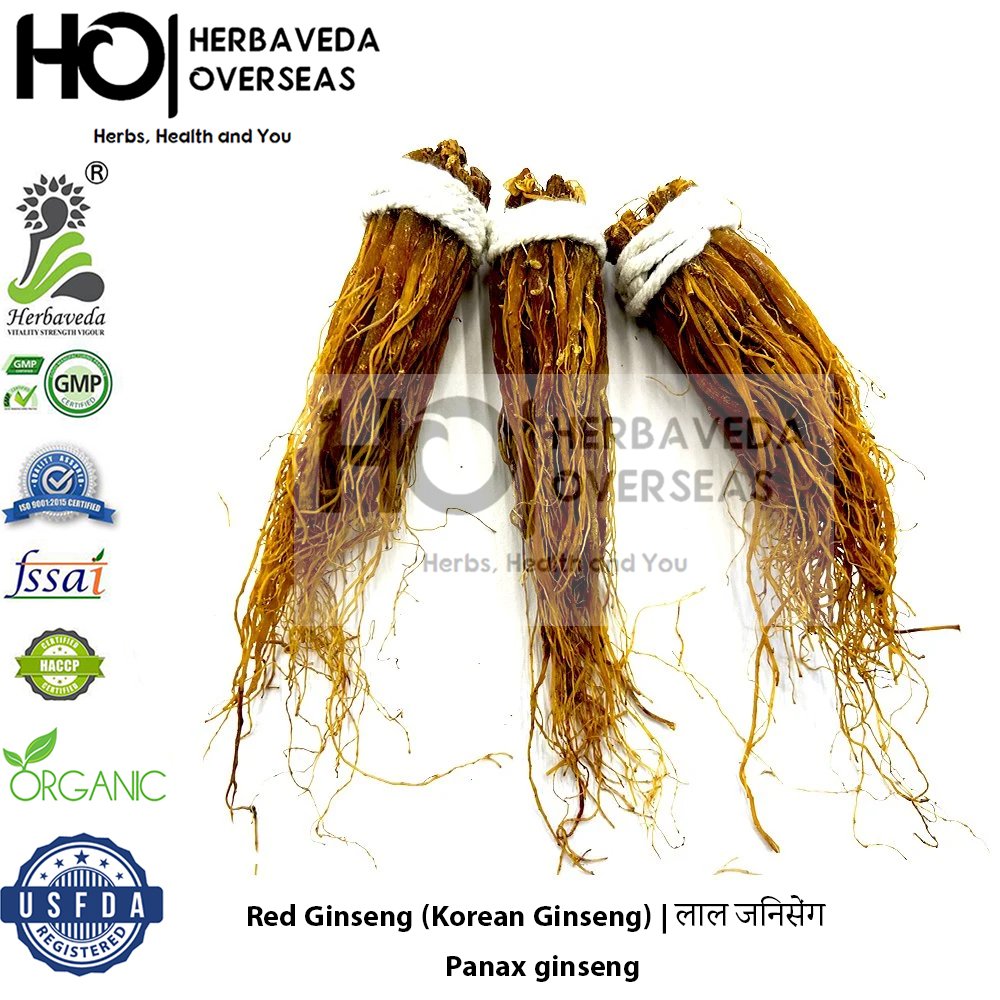
Red Ginseng is ginseng root that has been steamed and then slowly dried. The steaming turns the pale root a deep, glassy red-brown and gives it a sweet, caramel-like smell. Korean red ginseng is one of the most famous tonic roots in the world, and in Korean and Chinese tradition it is seen as more warming than white ginseng.
Also known as
Korean red ginseng, Hong Shen (Chinese), Hongsam (Korean), سرخ جنسنگ (Urdu), Panax ginseng
How it is used
- Tonic tea: sliced root is brewed as a warming tea, traditionally taken in cold weather and during tiring times.
- Soups: added to Korean ginseng chicken soup (samgyetang).
- Tonic blends: used in traditional herbal tonics.
How to use
Traditionally a few thin slices are simmered in water for 15–20 minutes and drunk as a tea. Use for short periods with breaks in between. Ask a doctor if you take regular medicine.
Safety
Ginseng is not suitable for children, pregnant or breastfeeding women. People with high blood pressure, diabetes, sleep problems, or who take blood thinners or other regular medicine should ask a doctor first.
How to judge good quality
- Hard, glassy, reddish-brown roots.
- Sweet, caramel-like smell when cut.
- Whole roots with no cracks, mould or dull, dry patches.
Storage
Keep in an airtight container in a cool, dry place. The hard roots are easier to slice after a short steam or soak.
Frequently asked questions
Why is red ginseng so hard?
Steaming and drying make the root very dense and glassy. Soften it with a little steam before slicing.
White ginseng or red ginseng – what is the difference?
Same plant. Red ginseng is steamed before drying; white ginseng is not.
Do you deliver across India?
Yes. Orders ship from Delhi to all states, usually within 1–3 working days. For bulk quantities, use our Request a Quote form.
Herbaveda, Delhi – trusted since 1971.
Sold as a raw herb for traditional and trade use. This information is educational and is not a substitute for medical advice.