
Description
What is Raal?
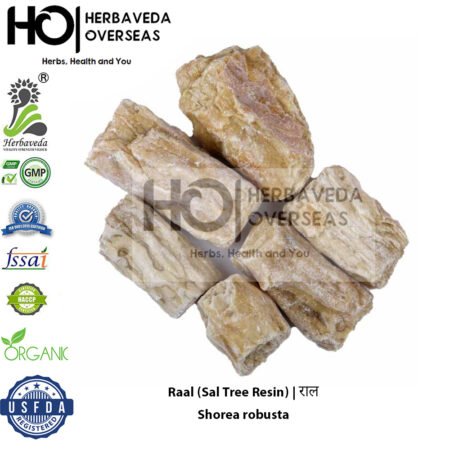
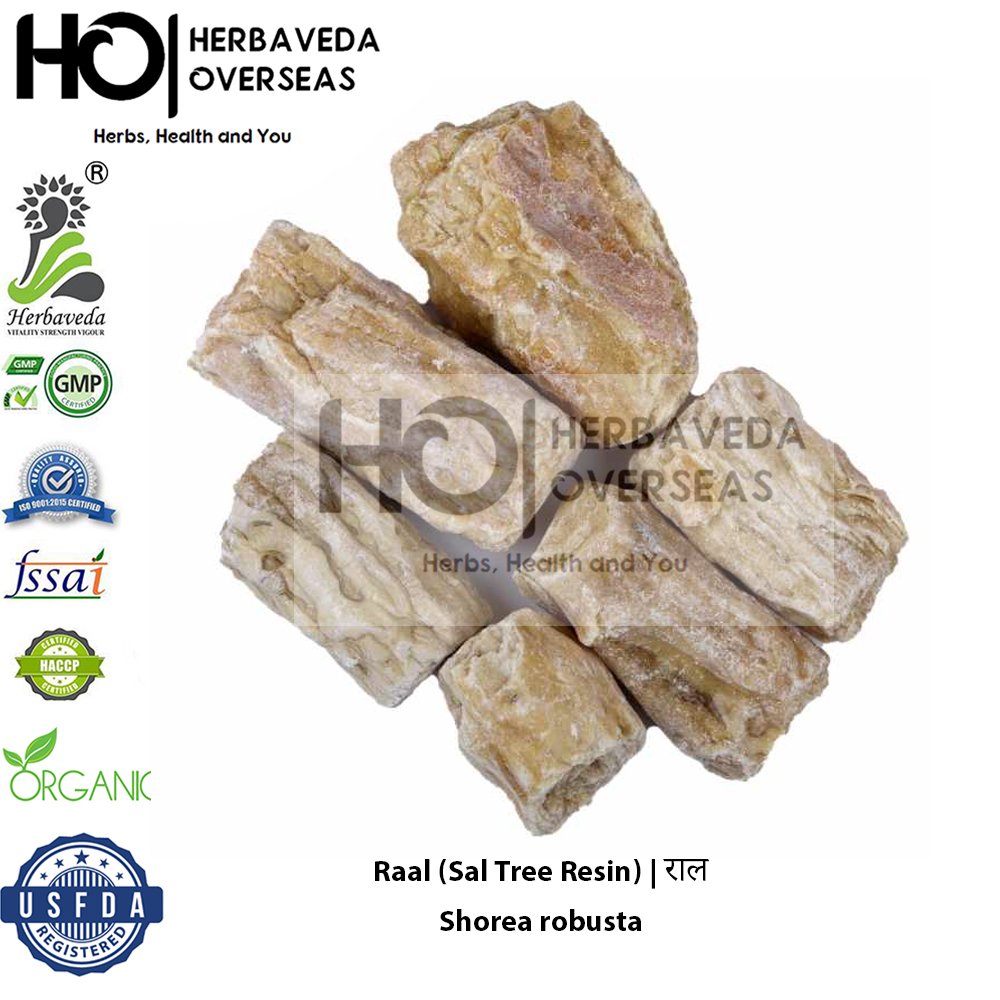
Raal, also called Sal resin or Dhuna (Hindi: राल / साल की राल, Sanskrit: Sarjarasa), is the natural resin of the Sal tree, Shorea robusta. The Sal is a tall forest tree of northern and eastern India, found across the Terai, Bhabar and Chhota Nagpur regions. The resin seeps from cuts in the bark, hardens in the air and is collected as brittle, pale-yellow to brownish pieces that give off a warm, smoky aroma when burnt. It is the state tree of Jharkhand.
Other names
Sal tree resin, Saal ki Raal, Sal ki Ral, Dhuna, Dhuno (Bengali), Sarjarasa / Rala (Sanskrit), Sakhua resin, Kungiliyam (Tamil).
Traditional and household uses
- Burnt on charcoal or in a dhunuchi as dhoop during puja, aarti and havan, especially in Bengal and eastern India.
- Mentioned as Sarjarasa in classical Ayurvedic texts, where it is listed among dhoopana (fumigation) materials.
- Used to scent and freshen rooms in the traditional way.
- Historically used as a natural varnish and as a caulking material for wooden boats.
How to judge good quality
Good raal comes as clean, glassy, pale-yellow to amber pieces that break easily and smell pleasantly resinous. It should burn with plenty of fragrant white smoke and leave little residue. Avoid pieces mixed with bark, sand or dust.
Storage
Keep it in an airtight container in a cool, dry place away from sunlight and heat, so the pieces don’t soften and stick together.
FAQs
What pack sizes are available?
0.5 kg and 1 kg retail packs, from ₹557. For bulk or wholesale quantities, use our wholesale enquiry page.
Do you deliver across India?
Yes, we ship to all states from Delhi. Herbaveda, Delhi – trusted since 1971.
Is raal the same as loban or dammar?
No. Raal comes from the Sal tree (Shorea robusta). Loban is a different resin (benzoin or frankincense), and dammar is collected from other trees. All three are used as dhoop, but they look and smell different.