
Description
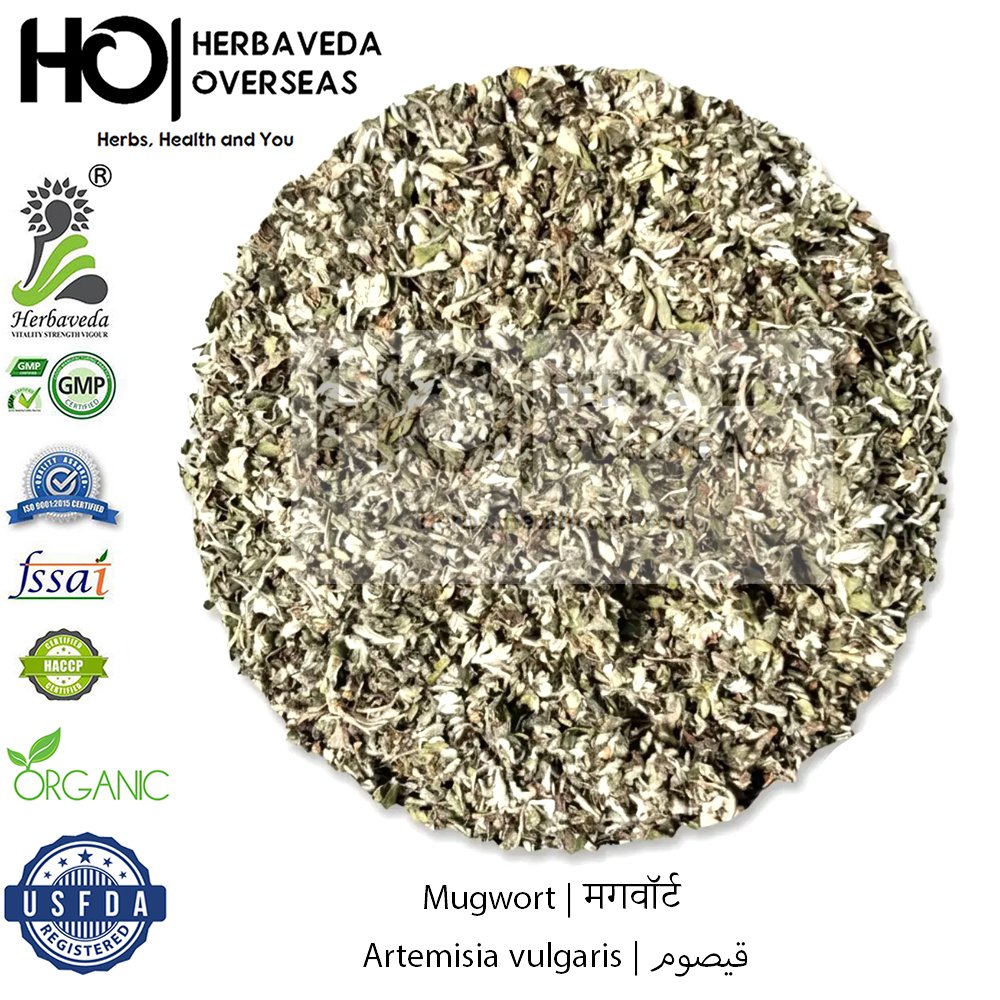
Originating across Europe and Asia, Mugwort (Artemisia vulgaris) is a versatile member of the aster family. It has been utilized since antiquity in folk medicine for its diverse therapeutic capabilities. One of its most prominent traditional uses is as an emmenagogue in women’s wellness formulations. Additionally, it serves as a bitter tonic that encourages bile production, thereby improving digestion and reducing gastric discomfort.
The plant contains essential oils like cineole and thujone, which provide natural antimicrobial and antifungal benefits. Topically, mugwort infusions or poultices are often applied to soothe sore muscles and reduce inflammation in the joints. Beyond physical health, the herb is deeply embedded in spiritual practices; it is frequently burned as incense or placed under pillows to promote lucid dreaming and heighten intuition. In traditional Chinese medicine, dried mugwort is the primary ingredient in moxibustion, where it is burned near acupuncture points to stimulate blood flow and energy. Due to its potency, it is generally recommended for short-term use to ensure safety and efficacy.