
Description
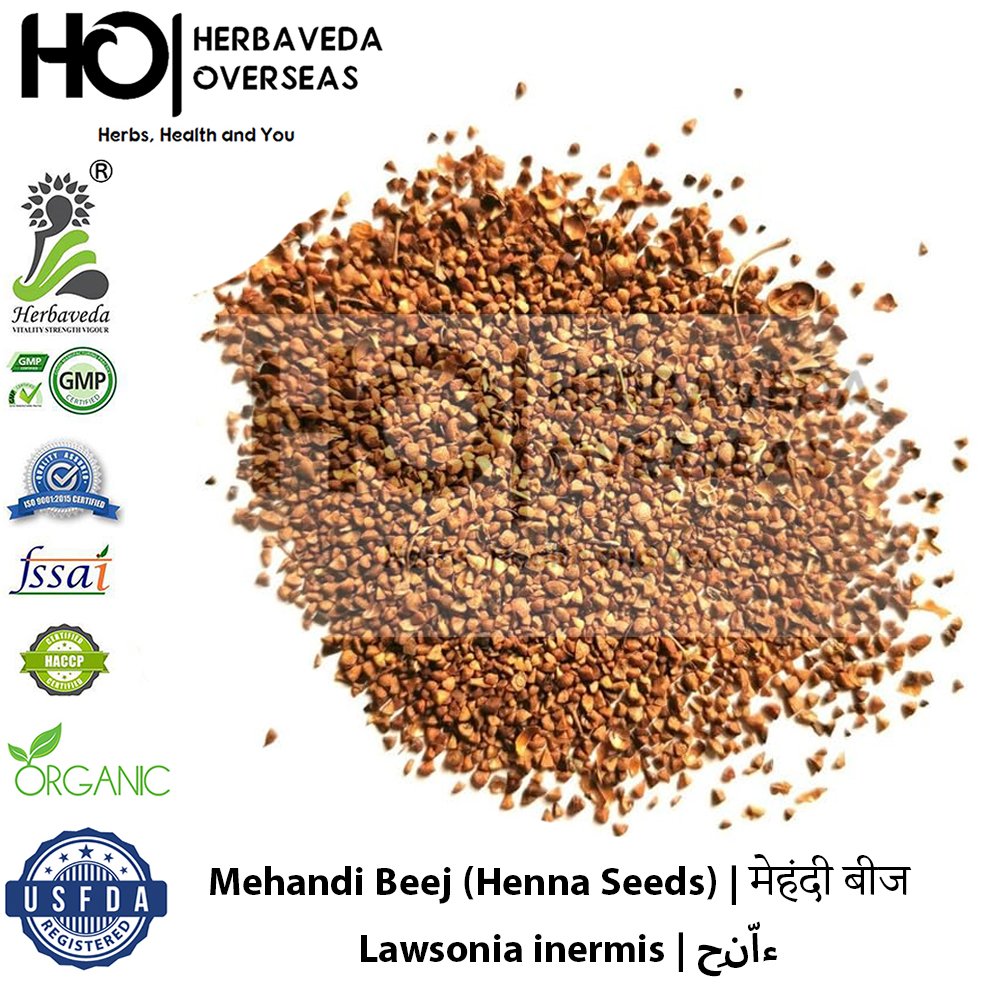
Lawsonia inermis, the henna plant, is a tall, woody, multi-branched shrub of the family Lythraceae, native to the semi-arid and tropical zones of North Africa, the Arabian Peninsula, and the northwestern Indian subcontinent, now cultivated across tropical Asia, Australia, and the Americas. The leaves contain the naphthoquinone pigment lawsone, which binds to keratin proteins, producing the traditional orange-red stain used as a cosmetic and ritual body art medium across South Asia, the Middle East, and North Africa for at least five thousand years. The seeds, distinct from the leaves in commercial trade, are documented in Ayurvedic and Siddha literature for preparations addressing hair health, scalp conditions, and headache. India — particularly Rajasthan’s Sojat town — produces approximately 80% of the world’s commercial henna. The seeds are sourced from Rajasthan and Gujarat.