
Description
What is it?
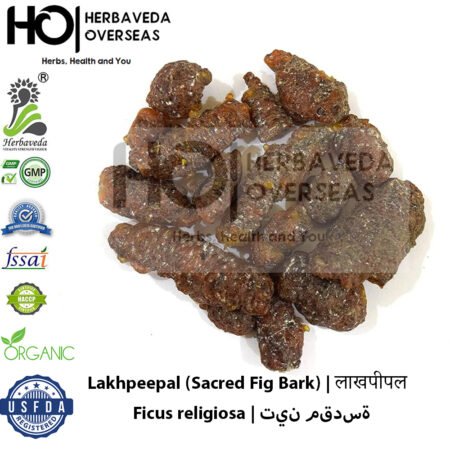
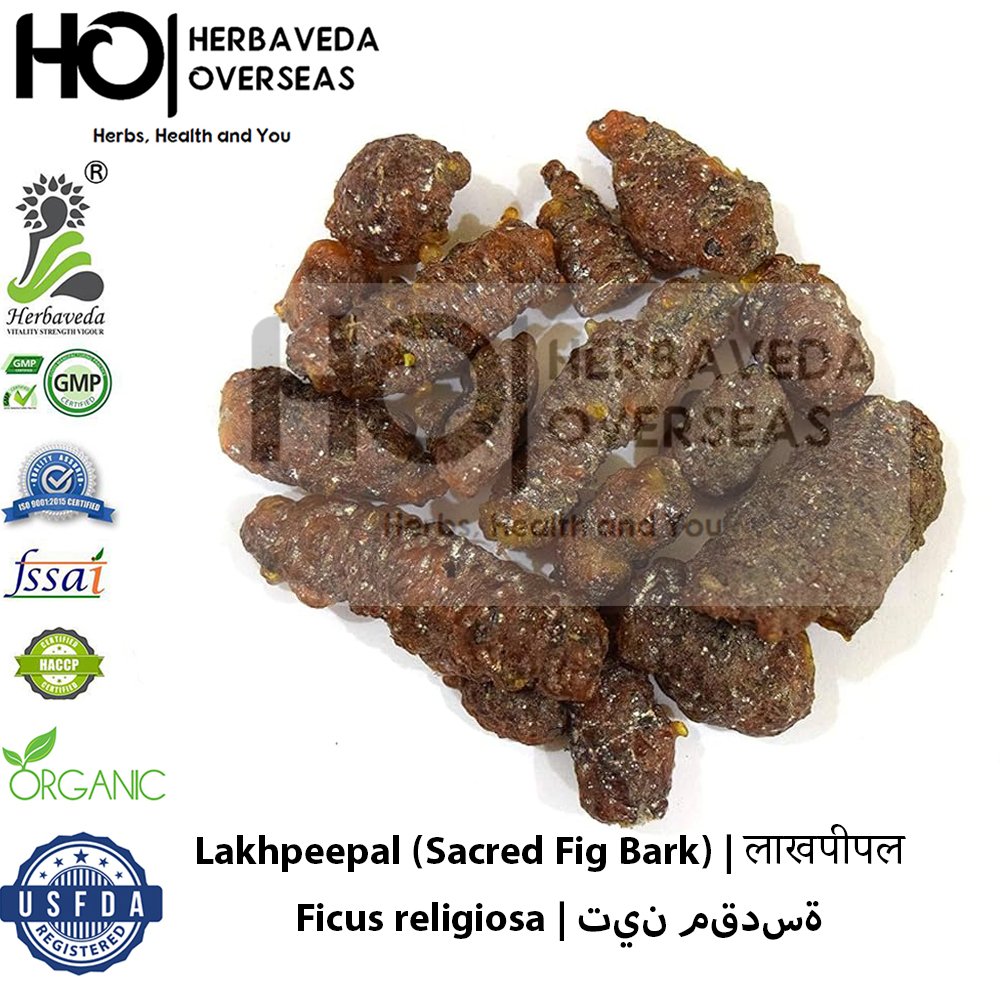
The peepal is one of the most sacred trees in India, honoured by Hindus, Buddhists and Jains. Its bark, called Ashvattha in Ayurveda, is one of the five classical barks (Panchavalkala) used together in traditional decoctions and washes.
Also known as
Ashvattha (Sanskrit), لاکھ پیپل (Urdu), Peepal chaal, Bodhi tree bark, sacred fig, Ficus religiosa
How it is used
- Panchavalkala: one of five barks used together in classical Ayurvedic decoctions and washes.
- Skin care: used in traditional washes and pastes for the skin.
- Puja: used in religious rituals.
How to use
Traditionally the bark is boiled in water to make a decoction for washing or, on advice, for drinking. Ask an Ayurvedic or Unani practitioner how much is right for you.
How to judge good quality
- Thick, grey-brown bark pieces, reddish inside.
- Dry and hard, with an astringent taste.
- No mould, wood rot or dust.
Storage
Keep in an airtight container in a cool, dry place away from sunlight and moisture.
Frequently asked questions
What is Panchavalkala?
Five barks used together in Ayurveda: peepal, banyan, gular, parish and plaksha.
Who should check with a doctor first?
Pregnant or breastfeeding women, people on diabetes medicines and anyone on regular medication.
Do you deliver across India?
Yes. Orders ship from Delhi to all states, usually within 1–3 working days. For bulk quantities, use our Request a Quote form.
Herbaveda, Delhi – trusted since 1971.
Sold as a raw herb for traditional and trade use. This information is educational and is not a substitute for medical advice.