
Description
What is it?
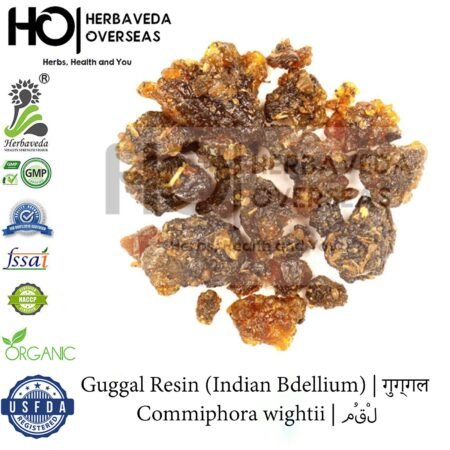
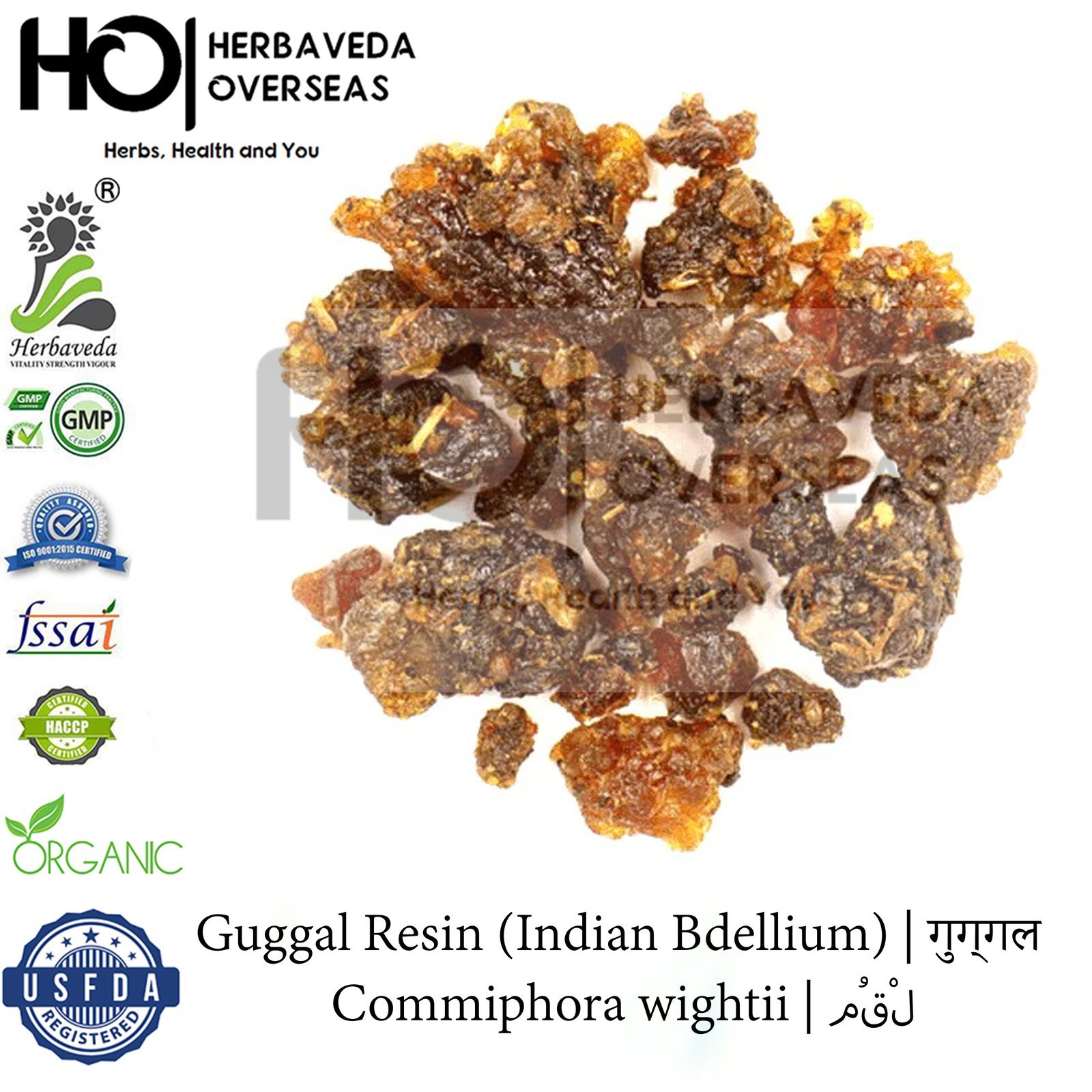
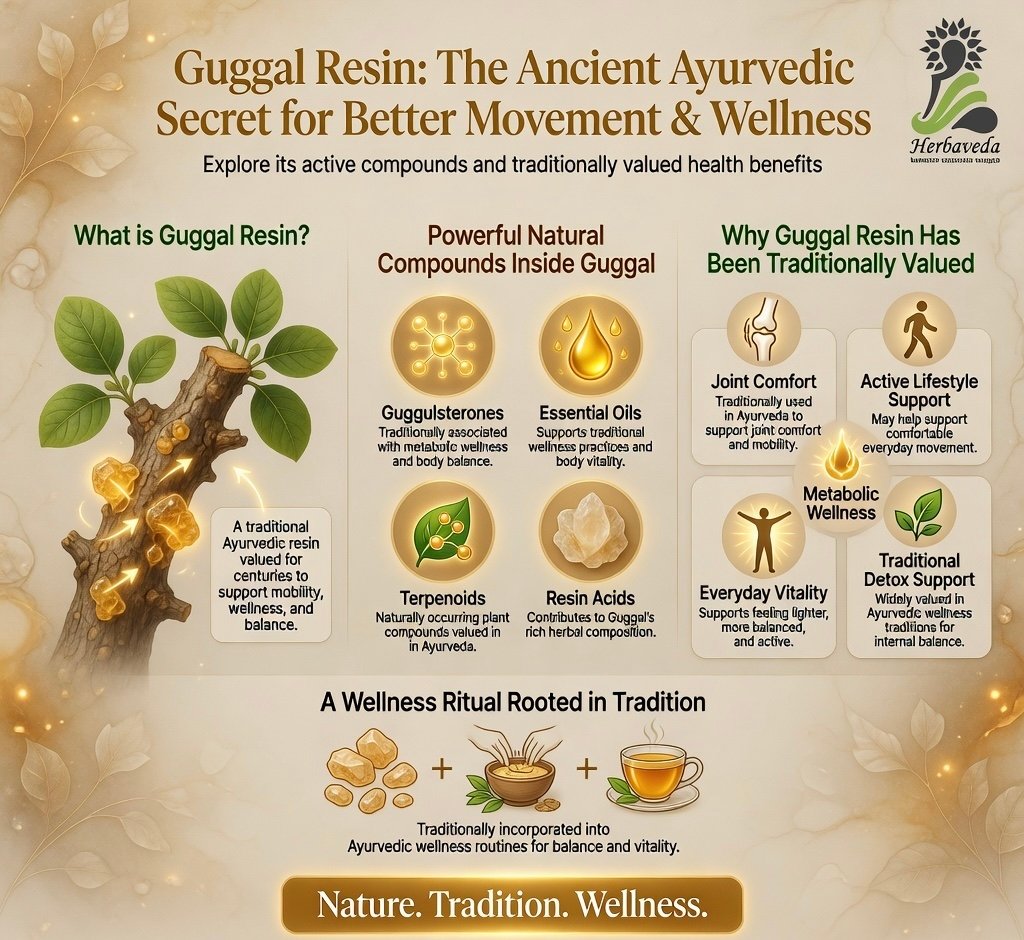
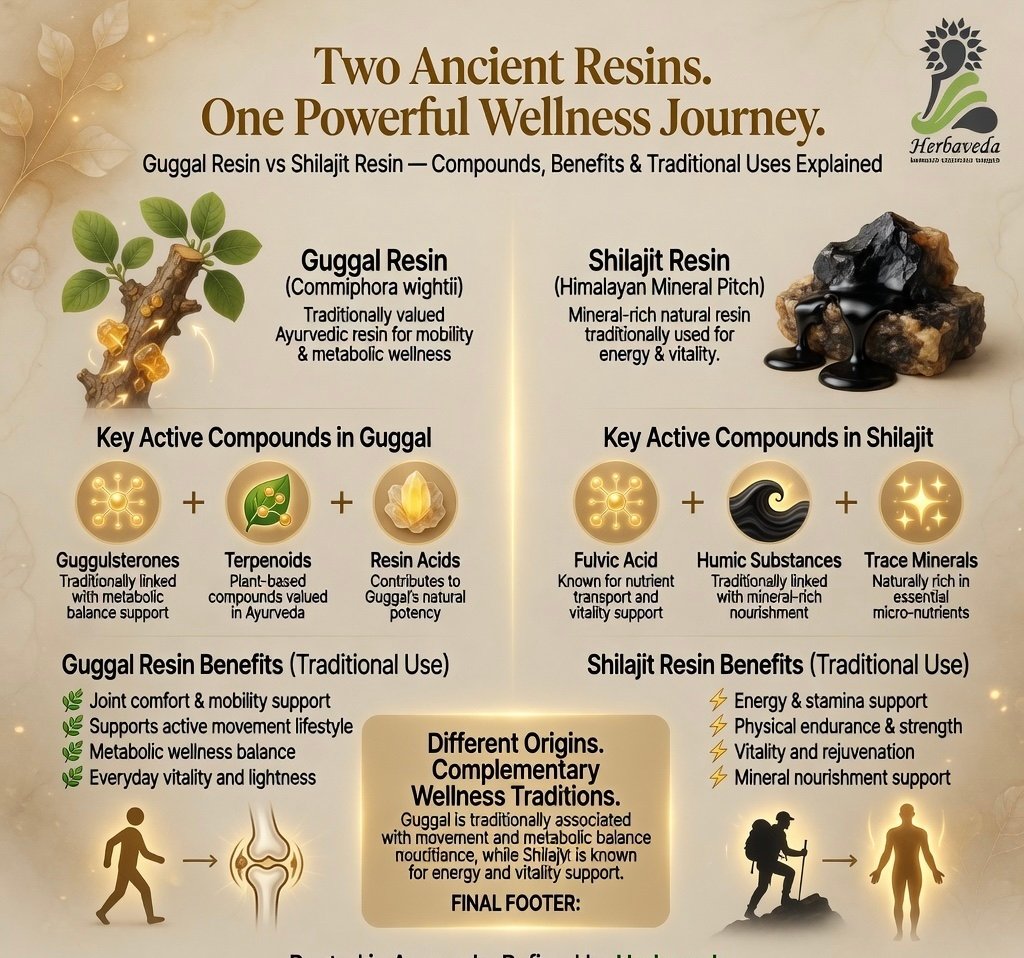
Guggal is the sticky, fragrant resin of a thorny desert tree from Rajasthan and Gujarat. In Ayurveda it is known as Guggulu and is the base of many classical formulas. At home and in temples it is also burnt as dhoop for its deep, balsamic smoke.
Also known as
Guggulu (Sanskrit), Gugal, Mukul (Unani), گوگل (Urdu), Indian bdellium, Commiphora wightii
How it is used
- Ayurvedic formulas: purified and used in guggulu preparations, traditionally for joint comfort.
- Dhoop and havan: burnt on charcoal or added to havan samagri.
- Fumigation: burnt to freshen rooms in traditional homes.
How to use
For dhoop, place a small piece on a hot charcoal or cow-dung cake. Raw guggal is not taken by mouth as it is; Ayurvedic practitioners purify it first and use it in prepared formulas.
Safety
Not for eating raw. Pregnant women should avoid guggal preparations. Keep burning dhoop away from children and curtains.
How to judge good quality
- Sticky to firm lumps, golden-brown to dark brown.
- Strong, balsamic smell when warmed or burnt.
- Few bits of bark, sand or stones.
Storage
Keep in a closed container in a cool place. Guggal softens in heat, so avoid direct sun.
Frequently asked questions
Can I eat raw guggal?
No. Raw guggal is purified before use in Ayurvedic formulas. For home use, take only a ready-made formula on a practitioner’s advice.
Who should avoid guggal formulas?
Pregnant women, and anyone on regular medication without a doctor’s advice.
Do you deliver across India?
Yes. Orders ship from Delhi to all states, usually within 1–3 working days. For bulk quantities, use our Request a Quote form.
Herbaveda, Delhi – trusted since 1971.
Sold as a raw herb for traditional and trade use. This information is educational and is not a substitute for medical advice.