
Description
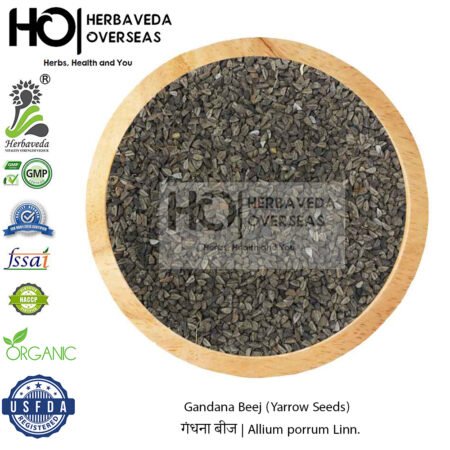
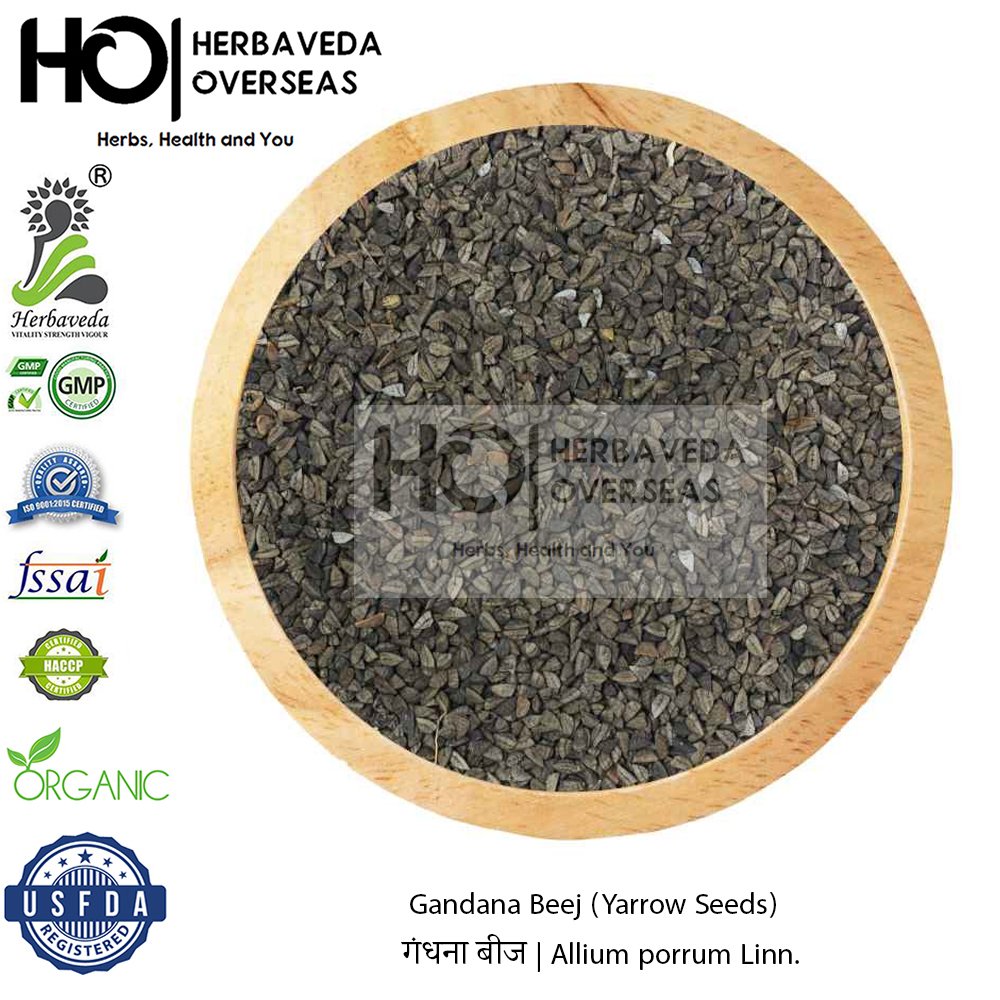
Originating from the temperate regions of Europe, Asia, and North Africa, Yarrow has been utilized since antiquity for its therapeutic virtues. The plant is easily identified by its feathery, lace-like foliage and clusters of small white flowers. Historically, it earned its scientific name from the legend of Achilles, who used the plant to treat the wounds of his soldiers during the Trojan War.
The herb is most prized for its hemostatic properties, making it an excellent remedy for coagulating blood and treating external cuts. Beyond skin care, it is traditionally used as a diaphoretic tea for seasonal wellness. In terms of internal health, Yarrow is often employed to soothe intestinal spasms and enhance digestive efficiency. Its chemical composition, rich in flavonoids and alkaloids, provides significant anti-inflammatory and antioxidant effects, which can alleviate joint pain and support the immune system. Whether applied topically as a poultice or consumed as a tea or tincture, Yarrow offers a comprehensive approach to wellness, bridging ancient folk medicine with contemporary herbal practices.