
Description
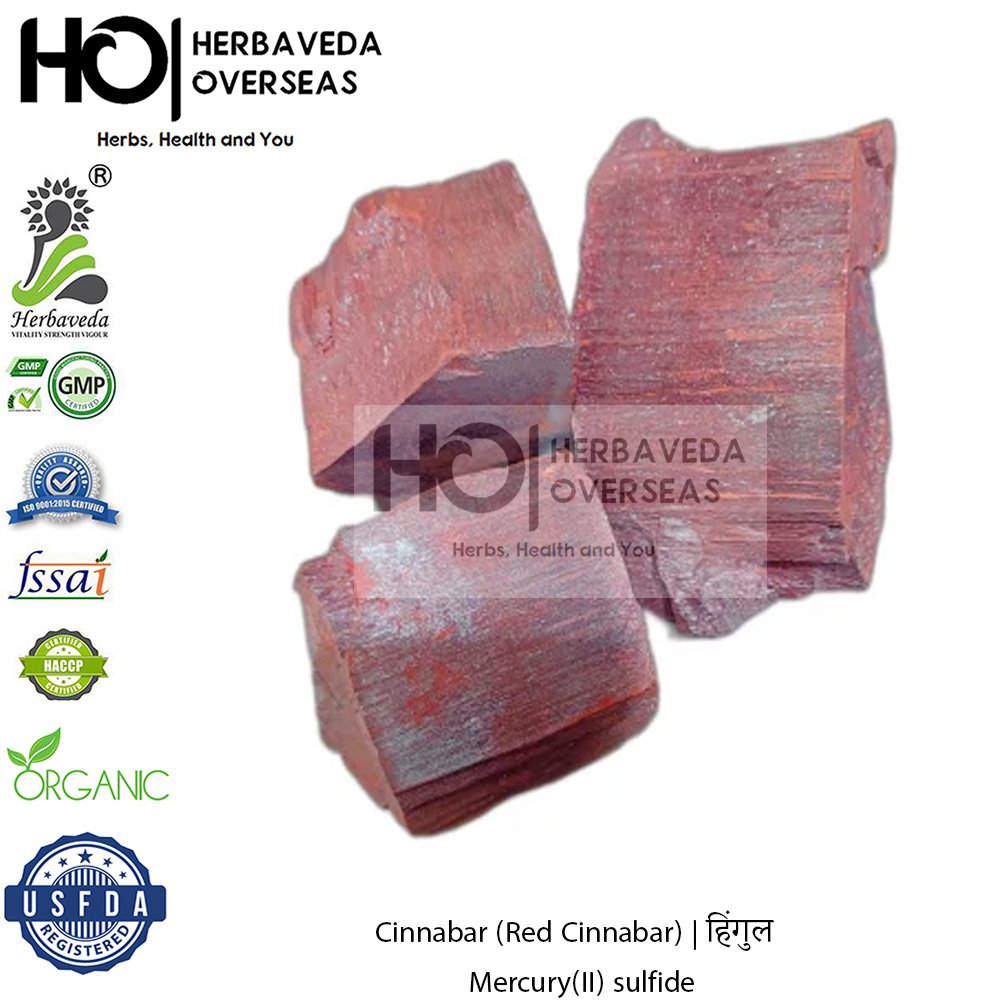
Cinnabar is a naturally occurring mineral found in various volcanic regions worldwide. In Ayurvedic medicine, it is referred to as Hingula and is highly valued in the branch of Rasashastra, which focuses on the therapeutic use of metals and minerals. In its raw state, cinnabar is toxic; however, traditional practitioners employ a rigorous purification method known as Shodhana to render it safe for medicinal use. Once purified, it is utilized to treat severe health issues, including chronic tuberculosis, asthma, and stubborn skin infections. It is believed to act as a potent rejuvenator, enhancing the body’s overall strength and vitality while balancing the internal doshas. Despite these traditional uses, modern toxicology cautions against its unsupervised use due to the potential for mercury poisoning, which can damage the nervous system and kidneys. Therefore, its application is reserved for highly specialized practitioners who can ensure the chemical stability of the final formulation. Its integration into wellness practices highlights the complex intersection of ancient alchemy and early pharmacology.