

Description
What is it?
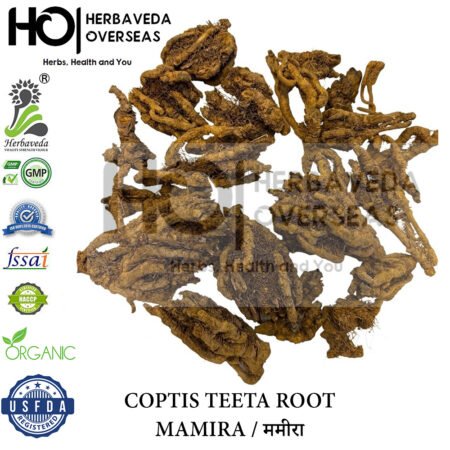
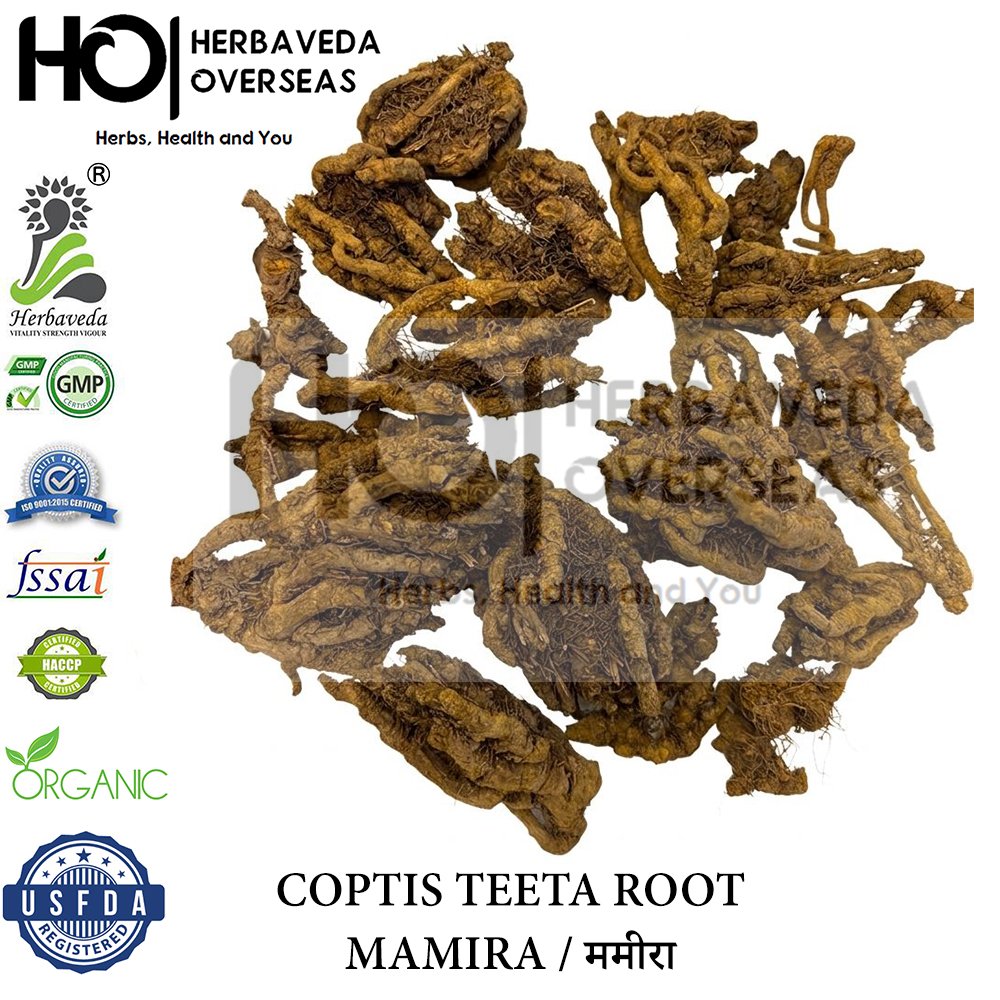
Mamira is a small, knotty root that is bright yellow inside and extremely bitter. The true plant, Coptis teeta, grows only in the cool hill forests of Arunachal Pradesh and nearby China and is now rare. Hakims have long valued Mamiran as one of the bitter roots of the Unani tradition.
Also known as
Mamiran (Unani), مامیراں (Urdu), Mamira, Mishmi teeta, Indian goldthread, Tikta (Sanskrit), Coptis teeta
How it is used
- Unani preparations: described in Unani texts, especially in traditional surma and eye preparations made by hakims.
- Bitter tonic: listed in Ayurvedic and Tibetan medicine as a bitter, cooling herb.
- Natural colour: gives a strong yellow colour.
Safety
Mamira is very bitter and strong. Use only on the advice of a qualified practitioner, and not during pregnancy or breastfeeding. Never put raw herb in the eyes. Keep out of reach of children.
How to judge good quality
- Thin, knotty, bright yellow root pieces.
- Strongly bitter taste and a deep yellow colour when broken.
- Dry, with no mould, soil or mixed plant parts.
Storage
Keep in an airtight container in a cool, dry place away from sunlight and moisture.
Frequently asked questions
Can I put mamira in my eyes?
No. Never put any raw herb in the eyes. Eye preparations must be made only by qualified practitioners.
Is this genuine Coptis teeta?
Genuine Coptis teeta is rare and protected. Some mamira in the market comes from related yellow-rooted plants. Contact us if you need details for your purchase.
Do you deliver across India?
Yes. Orders ship from Delhi to all states, usually within 1–3 working days. For bulk quantities, use our Request a Quote form.
Herbaveda, Delhi – trusted since 1971.
Sold as a raw herb for traditional and trade use. This information is educational and is not a substitute for medical advice.