
Description
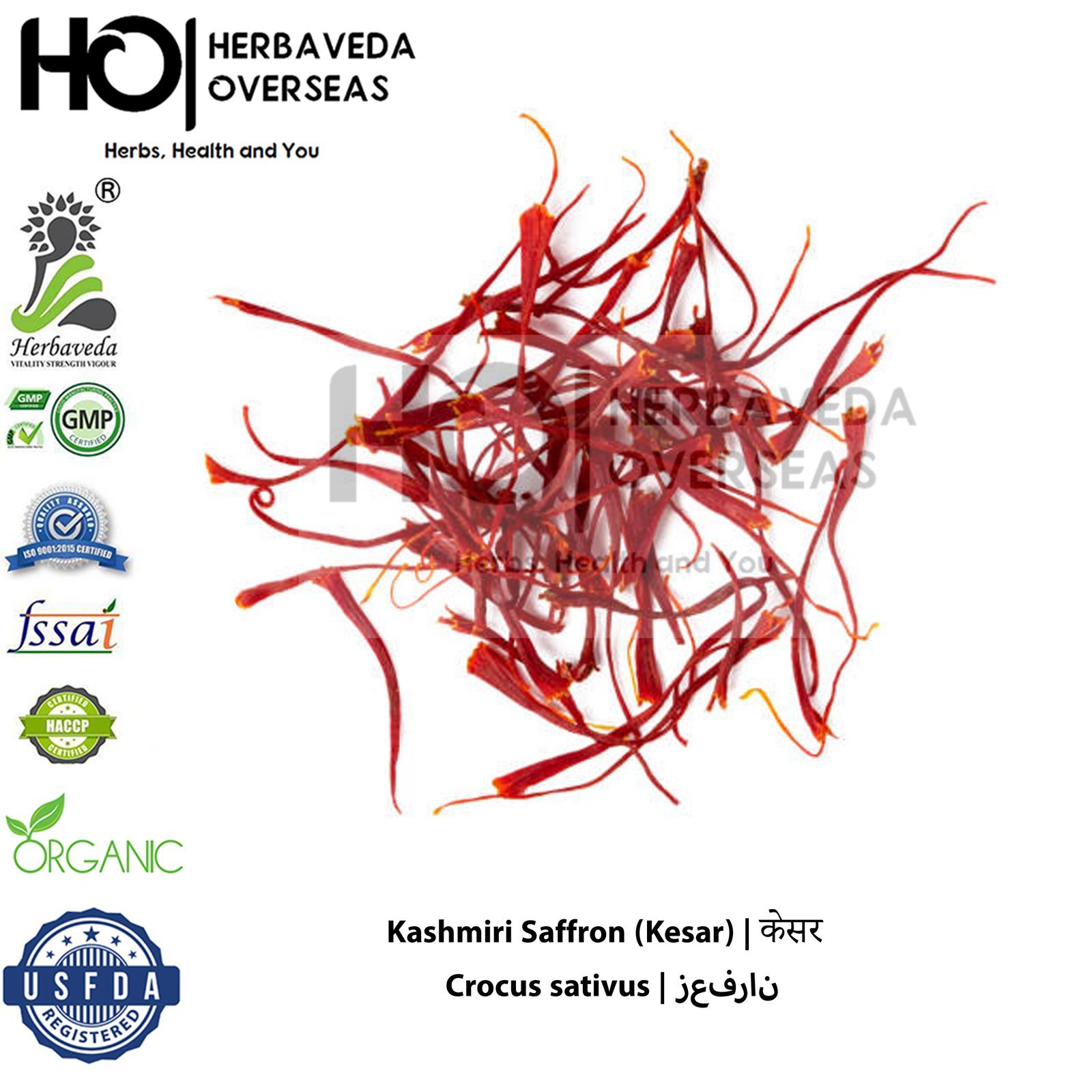
Crocus sativus, the saffron crocus, is a sterile triploid perennial corm of the family Iridaceae, believed to have originated through cultivation from the wild Crocus cartwrightianus of Greece, with no extant wild population. India’s Pampore region of Jammu and Kashmir — the ‘saffron bowl of India’ — cultivates this plant under a traditional system that may have been introduced during the reign of Zoroastrian priests or through Islamic contact in medieval Kashmir. The three vivid crimson-red stigmas of each flower, hand-harvested at dawn, constitute saffron — the world’s costliest spice by weight. Documented extensively in the Charaka Samhita as Kumkuma, in Avicenna’s Qanun, and in Persian, Greek, and Roman materia medica, saffron has been incorporated into preparations for reproductive health, mood, and skin complexion across multiple civilisations.