
Description
What is it?
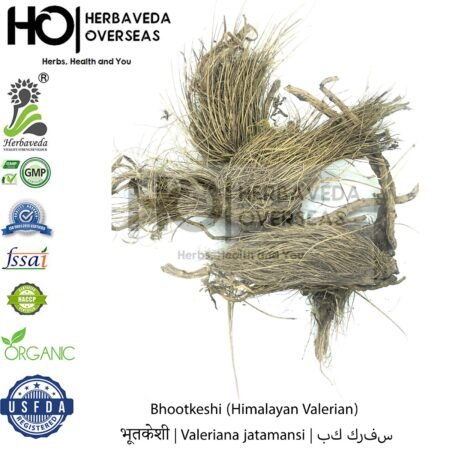
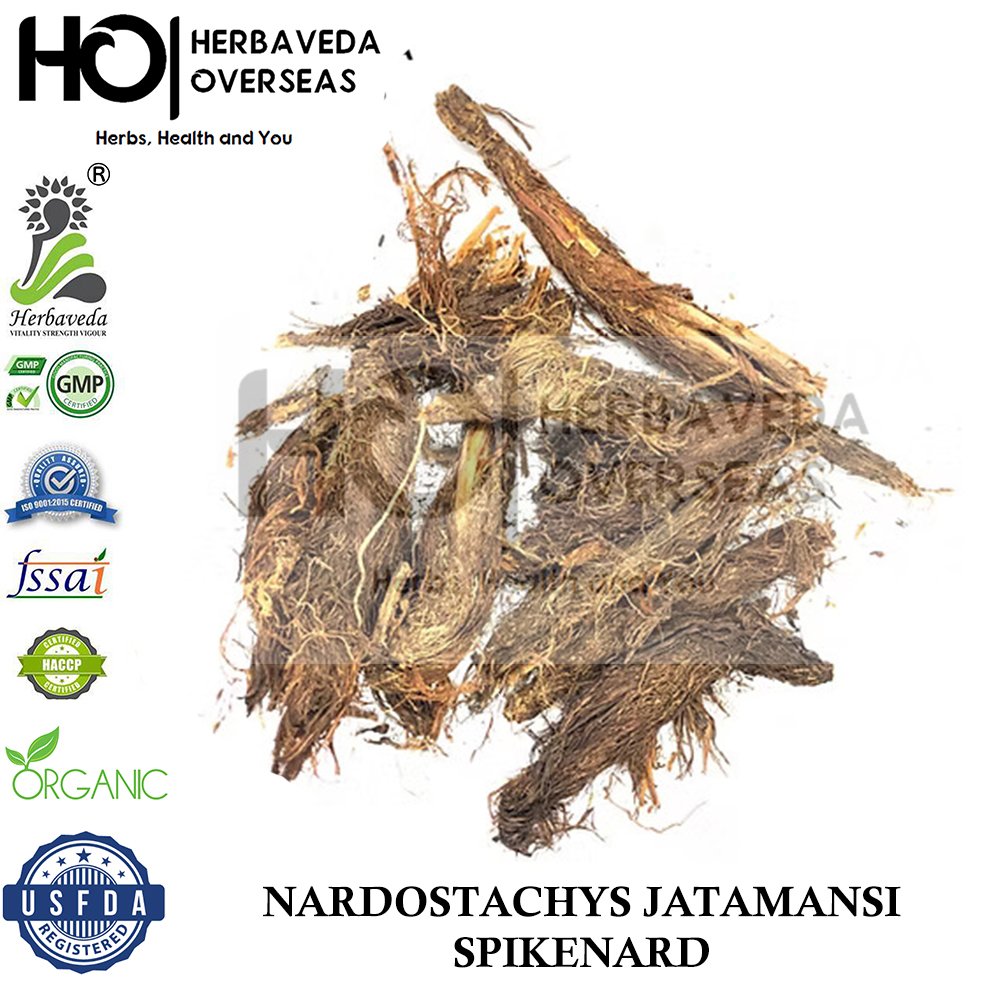
Jatamansi grows in high Himalayan meadows, between about 3,000 and 5,000 metres, in Nepal, Uttarakhand, Himachal Pradesh and Sikkim. Its rhizome is covered in fine reddish-brown fibres that look like matted hair – “jata” – which gives the herb its name. It has a deep, earthy, musky smell. Known in English as spikenard, it was one of the costliest aromatics in the ancient world. The plant is listed as vulnerable, so good material is limited.
Quick facts
- Botanical name: Nardostachys jatamansi (D.Don) DC.
- Family: Caprifoliaceae
- Part supplied: dried rhizome and roots
- Hindi: जटामांसी, बालछड़
- Urdu: سنبل الطیب
- Other names: Balchhad (Hindi), Sunbul-ut-teeb (Unani), Mansi (Sanskrit), spikenard, nard
Traditional uses
- Described in Ayurveda as a Medhya (mind-supporting) herb, used in traditional calming preparations.
- Cooked into hair oils and used in herbal hair packs.
- Used in attars, perfumes and incense for its musky smell.
Who buys it from us
- Ayurvedic and Unani manufacturers
- Hair-oil and cosmetic brands
- Attar, perfume and incense makers
Quality and packing
- Matted, hairy rhizome pieces, reddish to dark brown.
- A strong, earthy, musky smell.
- Dry and clean, with no mould or soil.
- Packed in bulk bags to the buyer’s requirement and shipped across India from Delhi.
Herbaveda Overseas has traded raw herbs from Khari Baoli, Delhi, since 1971. Use our Request a Quote form for the latest bulk price, a sample or a custom pack size.
Frequently asked questions
Is jatamansi the same as balchhad?
Yes. Balchhad is the common market name for jatamansi in North India.
Why is jatamansi costly?
It grows only at high altitude and wild collection is limited, so supply is tight.
Do you supply jatamansi in bulk?
Yes. Send an enquiry with your quantity.
Sold as a raw herb for traditional and trade use. This information is educational and is not a substitute for medical advice.