
Description
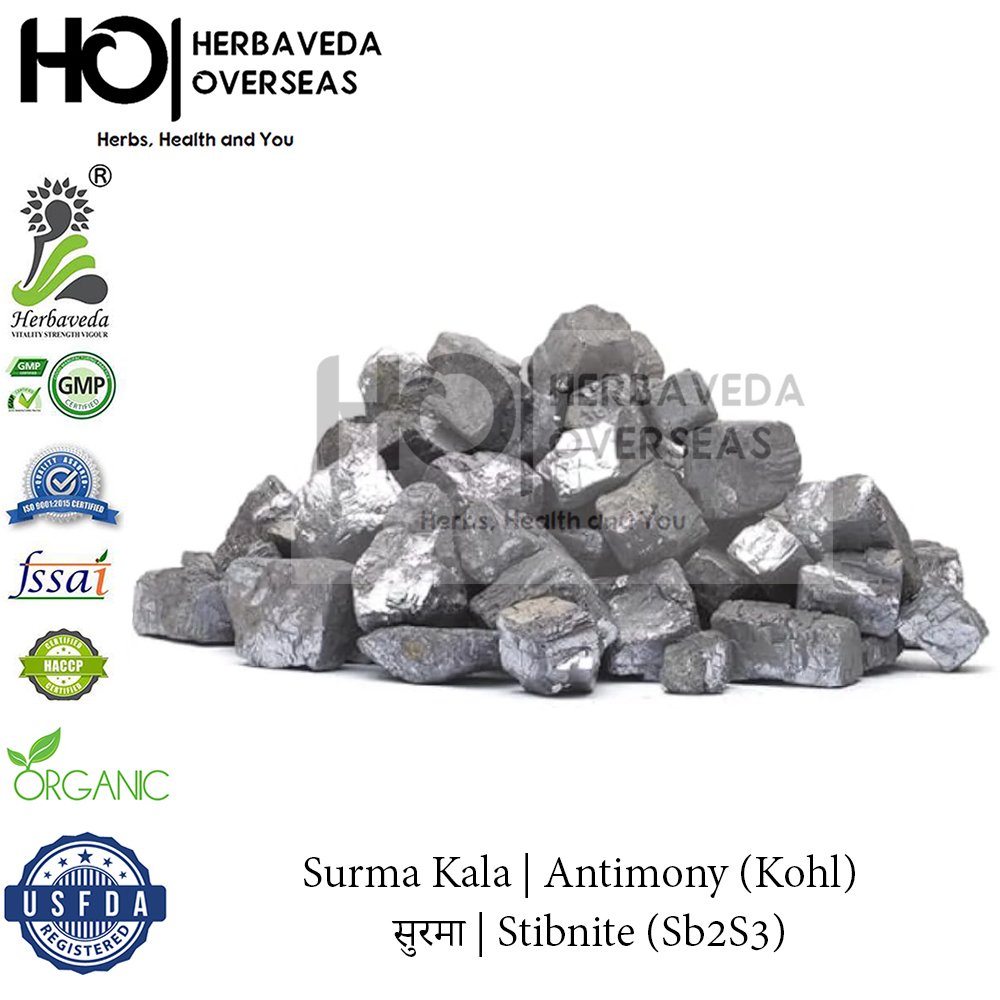
Antimony, specifically in its mineral form as stibnite, has been employed for millennia across Ancient Egypt, India, and the Arabian Peninsula. In these regions, it is processed into a fine, dark powder known as Surma or Kohl. Beyond its aesthetic application to define the eyes, it is historically valued for its perceived antimicrobial properties, which were believed to shield the eyes from infections and the harsh effects of desert sunlight. When purified through traditional methods, it is used to cool the eyes and reduce redness or inflammation. It is important to distinguish between purified traditional surma and raw industrial antimony, as the latter can be toxic if not processed correctly. In Ayurvedic and Unani medicinal traditions, specific preparations are used to sharpen vision and strengthen the eyelashes. Today, it remains a significant cultural beauty staple while also being recognized for its role in historical ocular therapy, provided the minerals are sourced and refined to be safe for topical application.