
Description
What is Neem Gond?
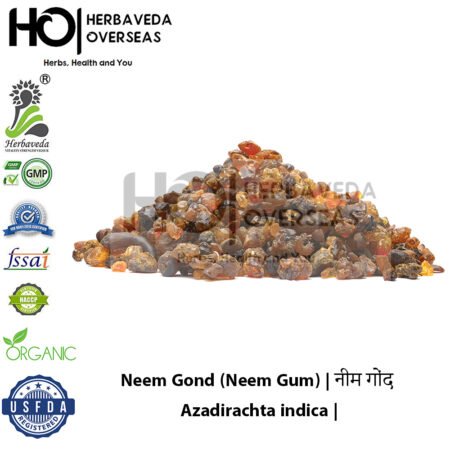
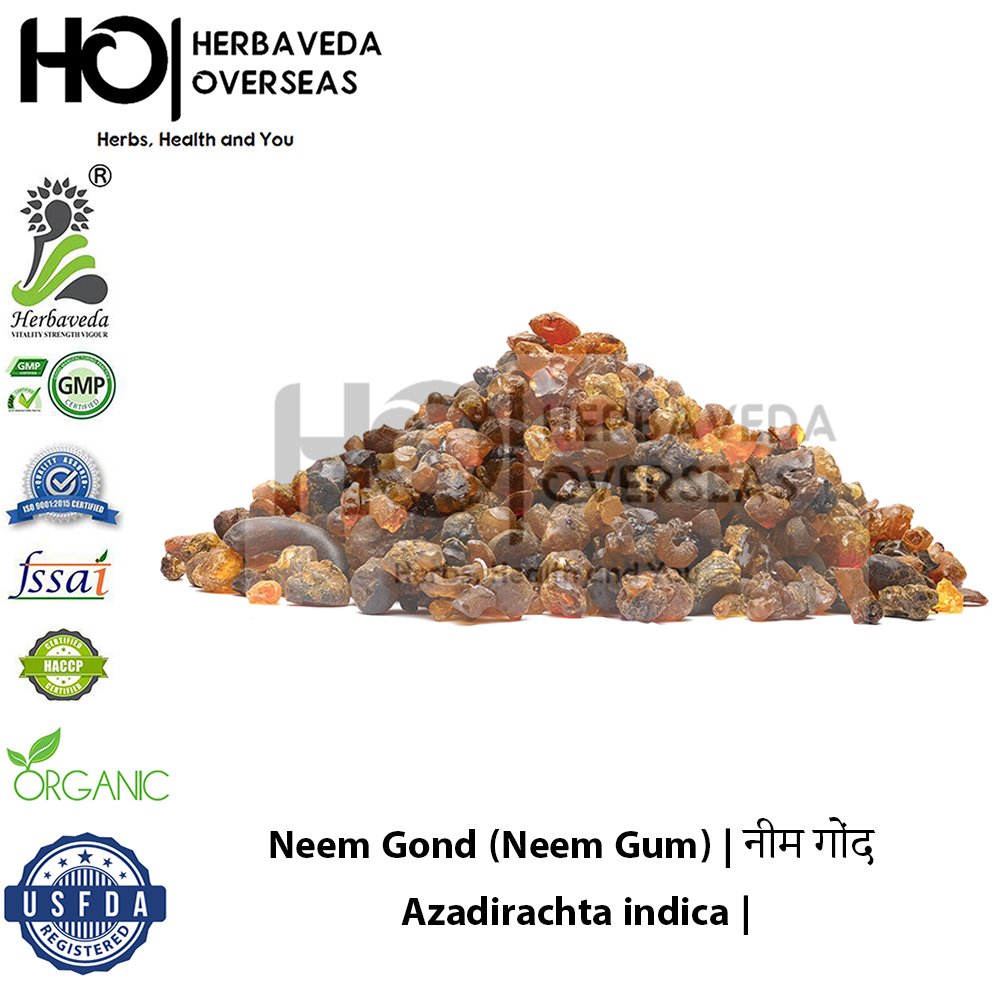
Neem Gond (नीम गोंद), also called Neem Ka Gond or Neem Gum, is the natural gum that seeps out of the bark of the neem tree (Azadirachta indica) and dries into amber-to-brown lumps and tears. Neem is better known for its leaves, twigs (datun), seed oil and fruit (nimboli); the gum is a lesser-known part of the same tree, sold by traditional pansari shops for use in home and traditional preparations.
Other names
Neem Ka Gond, Neem Ki Gond, Gond Neem, Neem Gum, Nimba Niryas (Sanskrit), Margosa Gum. Botanical name: Azadirachta indica A. Juss.
Traditional uses
Neem Gond has traditionally been used in Ayurvedic and Unani pansari preparations, mainly as a natural gum and binding material. When soaked, it slowly dissolves in water to form a thick, sticky solution, which is why it has long been used as a natural binder in traditional formulations and home preparations that need a natural plant gum.
How to judge good quality
Good Neem Gond comes as clean, glassy lumps that are amber, reddish-brown or dark brown. It should be free from bark pieces, sand and dust, break with a clean shiny edge, and slowly swell and dissolve when soaked in water. Avoid gum that is powdery, very dull or mixed with visible dirt.
Storage
Keep in an airtight container in a cool, dry place away from sunlight and moisture. Close the pack well after use so the gum does not absorb humidity and stick together.
FAQs
What pack sizes and prices are available?
0.5 kg is ₹1,187 and 1 kg is ₹1,575.
Do you deliver across India?
Yes. Orders ship from Delhi to all over India, usually within 1–3 working days.
Is Neem Gond the same as Kikar Gond used in gond laddoo?
No. Kikar or Babool Gond comes from the acacia tree, and Gond Katira comes from tragacanth. Neem Gond comes only from the neem tree and looks and behaves differently, so check the name before buying.
Herbaveda, Delhi – trusted since 1971.