
Description
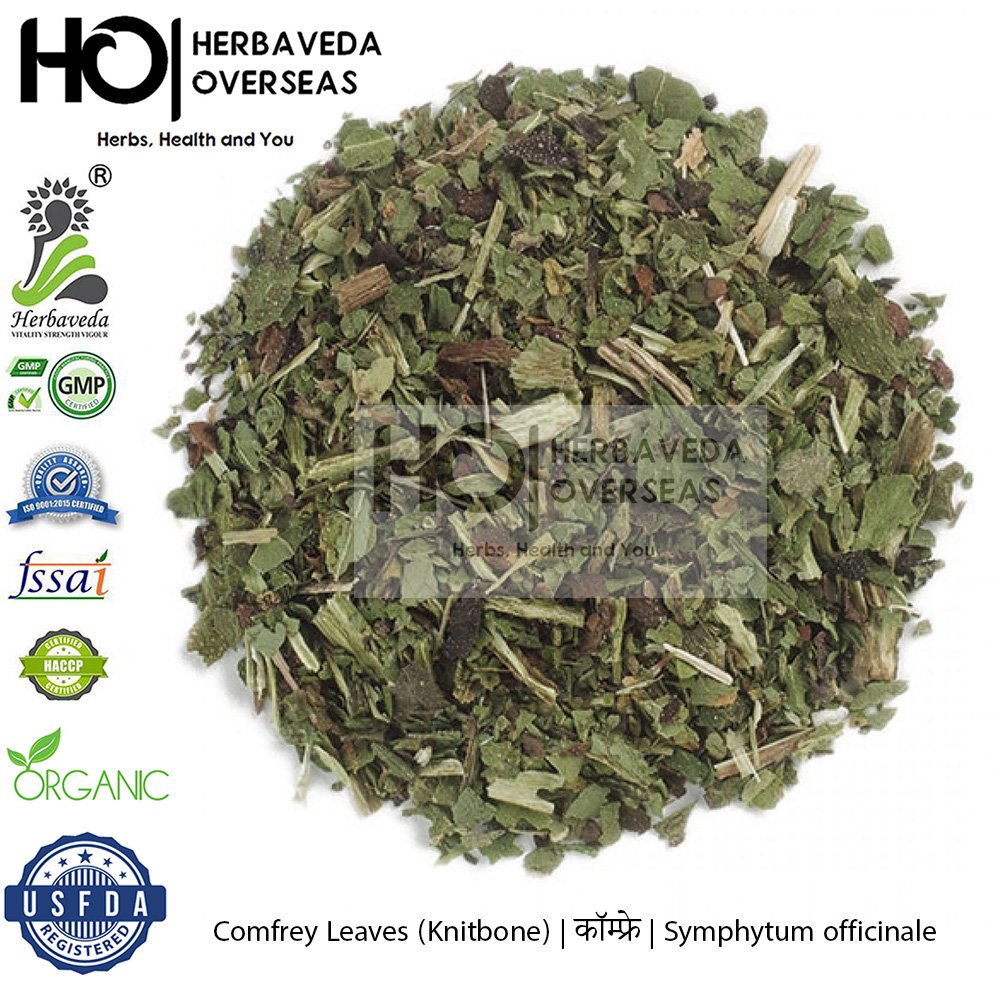
Originating from Europe and Asia, Symphytum officinale, commonly known as Comfrey, has been utilized for centuries as a natural remedy for musculoskeletal injuries. The plant is characterized by its large, hairy leaves and bell-shaped flowers. Its primary medicinal value lies in allantoin, a compound that stimulates cell proliferation and speeds up the regeneration of connective tissues.
Traditionally referred to as ‘knitbone,’ Comfrey is most effective when applied externally as a poultice, salve, or oil. It is widely used to treat sprained ankles, joint pain, and broken bones by reducing inflammation and promoting faster healing. Additionally, it is used to treat minor cuts and skin irritations due to its soothing nature.
However, modern medical guidelines strongly caution against the internal consumption of Comfrey. The plant contains pyrrolizidine alkaloids, which can be toxic to the liver and may be carcinogenic if ingested. Therefore, its use is strictly limited to topical applications on unbroken skin. When used correctly, it remains one of the most effective botanical aids for restoring mobility and healing physical trauma to the body’s soft tissues.