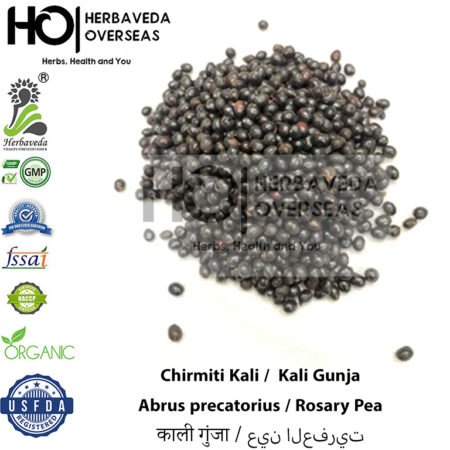
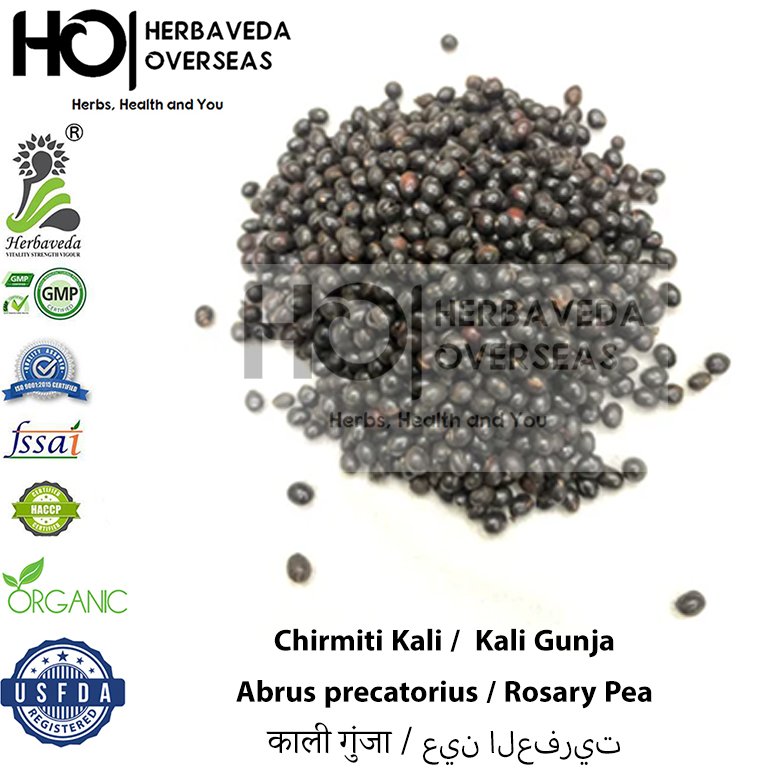
Black Rosary Pea (Black Gunja) | काली गुंजा / काली चिरमिटी | Abrus precatorius

1000 in stock

Price range: ₹1,575.00 through ₹2,100.00 inc GST

Rosary Pea is a perennial climbing shrub known for its striking red and black seeds. While highly toxic in its raw form, it is used in controlled traditional medicine to treat inflammatory conditions, skin disorders, and respiratory issues after rigorous purification processes to neutralize its lethal toxins.

Also available on Amazon
Prefer Cash on Delivery? Buy the same Herbaveda pack on Amazon with COD and fast Prime delivery.
Buy It Now
  • Free Shipping & Exchanges
  • Flexible and secure payment, pay on delivery
  • 600,000 happy customers
Guarantee Safe & Secure Checkout
SKU: hbv2_10788_parent Category:

Quick facts: Black Rosary Pea (Black Gunja)

Common name
Black Rosary Pea, Black Gunja
Hindi / local name
काली गुंजा / काली चिरमिटी
Botanical name
Abrus precatorius
Type
Raw roots
Pack sizes
0.5 kg, 1 kg (from ₹1,575)
Packed by
Herbaveda Overseas, Khari Baoli, Delhi (since 1971)
Storage
Airtight container, cool and dry place, away from sunlight
Also sold on
Amazon India (Herbaveda brand)
Bulk / export
Available – ask for a wholesale quote

What is Black Rosary Pea called in English?

Black Rosary Pea (काली गुंजा / काली चिरमिटी) is Black Gunja – botanical name Abrus precatorius.

Can I buy Black Rosary Pea in bulk?

Yes. Retail packs are sold here; for bulk quantities, contact us for wholesale and export prices.

For traditional and culinary use. Not intended to diagnose, treat, cure or prevent any disease. Consult a doctor before use, especially if you are pregnant, nursing or taking medicines.

Description

Originating from the tropical regions of Asia and Africa, Abrus precatorius is a leguminous plant characterized by its climbing habit and distinctive seeds. These seeds contain abrin, a potent toxalbumin, making the raw plant extremely dangerous if ingested. However, in traditional Ayurvedic practices, the herb is subjected to specific purification methods known as Shodhana to neutralize toxicity before therapeutic application. Once processed, it is utilized to manage various ailments, including chronic skin infections, joint pain, and edema. It is traditionally used externally in classical preparations for joint and nerve comfort; the seeds are highly toxic and are supplied for professional use only. Beyond medicine, the hard, colorful seeds have historically been used as precise weighing scales for gold and in the creation of ornamental beads. Due to its high toxicity, it should never be used without expert professional guidance. Modern research focuses on the biological activity of its components, though safety remains the primary concern. The plant serves as a prime example of the fine line between a potent poison and a healing agent when handled with pharmacological precision.
Additional information

WeightN/A
DimensionsN/A