
Description
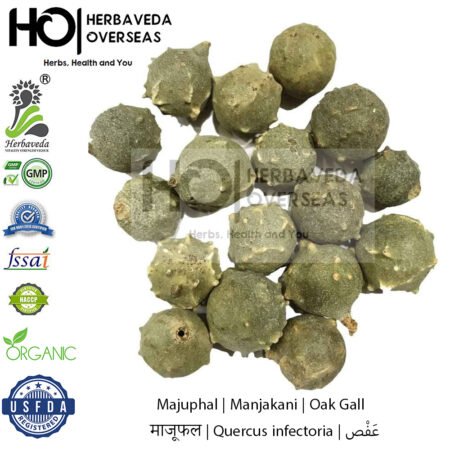
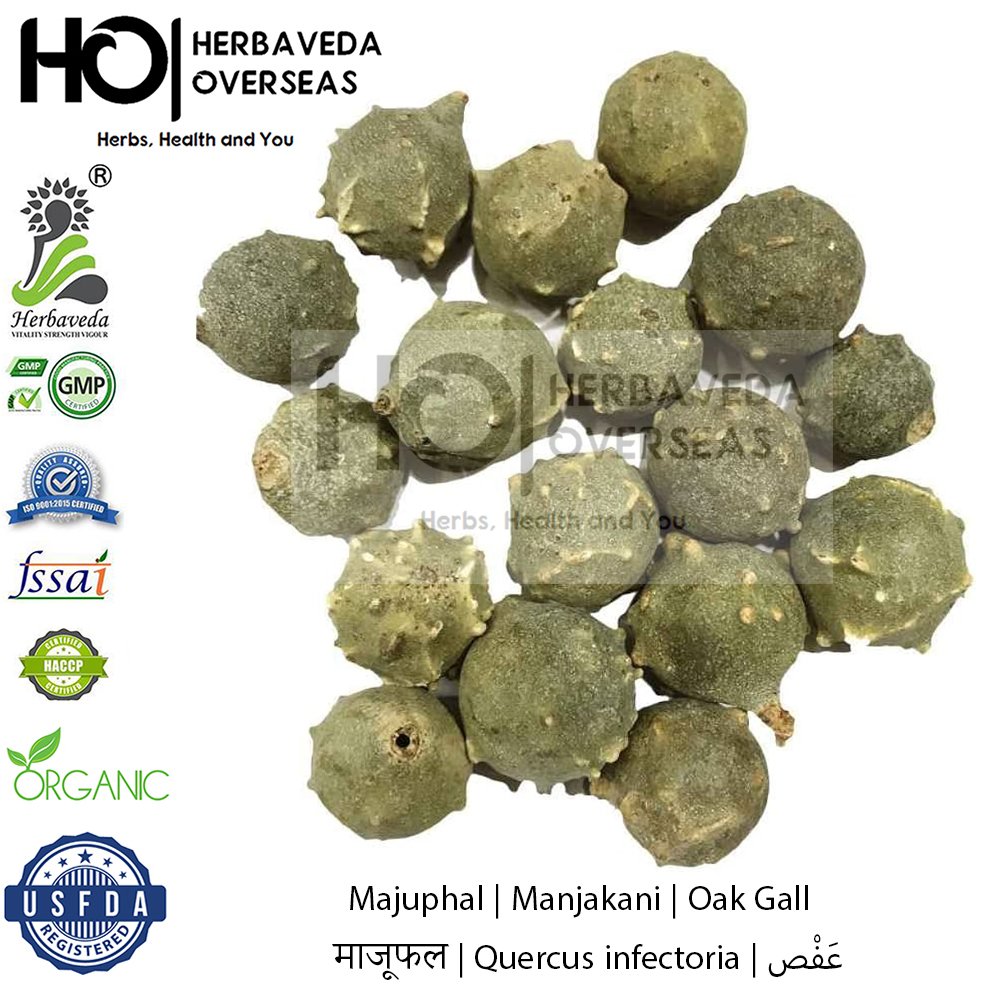
Manjakani originates from the galls formed on the oak tree (Quercus infectoria), primarily found in regions of Asia and the Mediterranean. These galls are created when insects lay eggs in the plant tissues, triggering the tree to produce a concentrated mass of tannins. Because of this high tannin content, Manjakani acts as a potent natural astringent.
In traditional wellness practices, it is most renowned for its application in feminine care, helping to tone vaginal tissues and treat leucorrhea. Beyond reproductive health, its antimicrobial and anti-inflammatory properties make it effective for treating mouth ulcers, sore throats, and skin infections. When applied topically, it helps in shrinking excess skin and tightening pores. It is also utilized in treating diarrhea and other gastrointestinal issues due to its ability to contract tissues. Its versatility extends to wound healing, where it accelerates the coagulation process and protects the skin from external pathogens. By incorporating these properties, Manjakani serves as a natural alternative for those seeking holistic support for tissue tightening and the management of systemic inflammation.