
Description
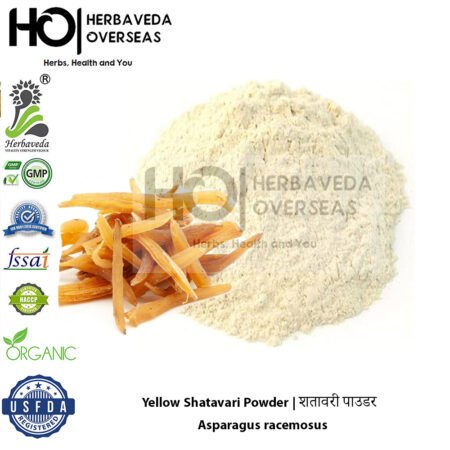
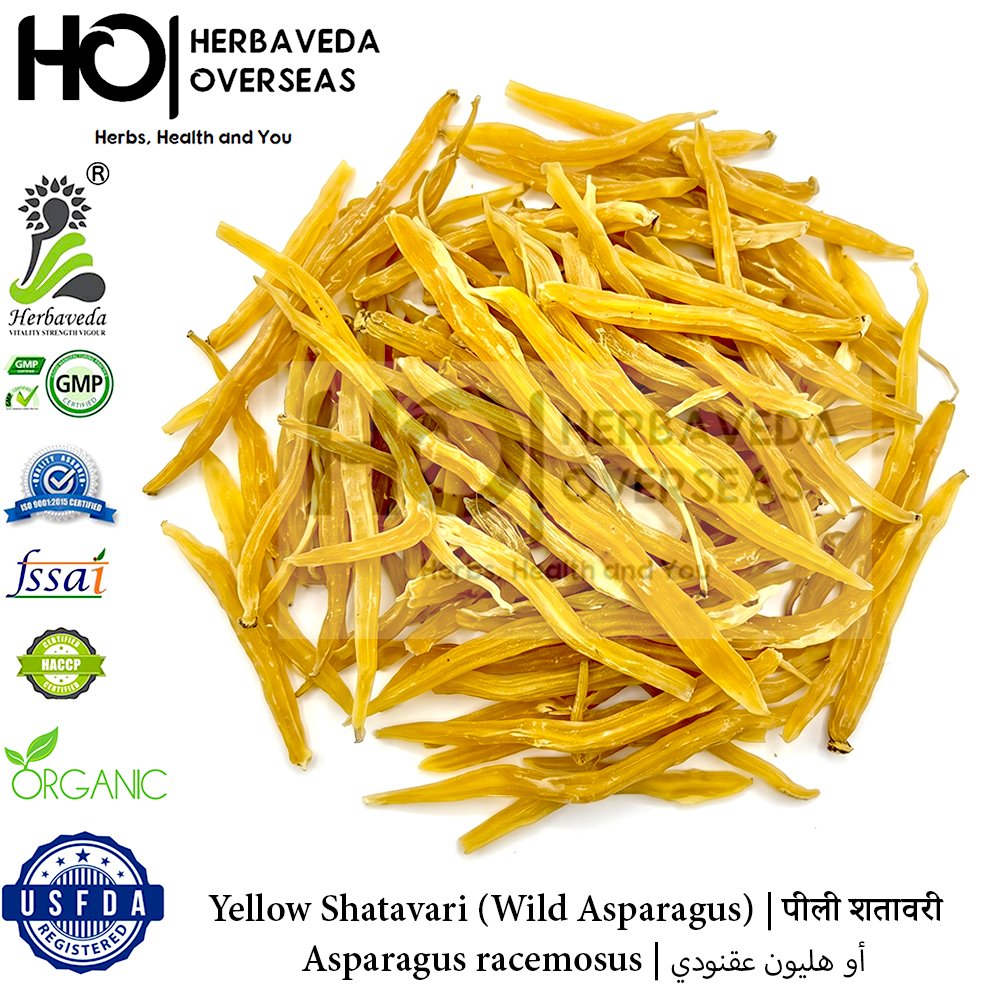
Asparagus racemosus, Shatavari — ‘she who possesses a hundred husbands,’ referencing its multiple tuberous roots — is a climbing perennial herb of the family Asparagaceae, native to the tropical and subtropical forests, rocky hillsides, and scrublands of the Indian subcontinent, Sri Lanka, and the Himalayan foothills. The plant produces clusters of small, pencil-like, white tuberous roots with a sweet, slightly bitter taste. Among the most comprehensively documented female reproductive herbs in all of classical Ayurveda, Shatavari is cited across the Charaka Samhita, Sushruta Samhita, and Ashtanga Hridayam as a primary Rasayana, Galactagogue, Vajikarana, and Medhya herb. Incorporated in formulations for lactation support, hormonal balance, menopausal symptoms, reproductive health, and general nutritive tonic action, it is one of the highest-volume exported Indian medicinal roots globally and is listed in the Ayurvedic Pharmacopoeia of India.